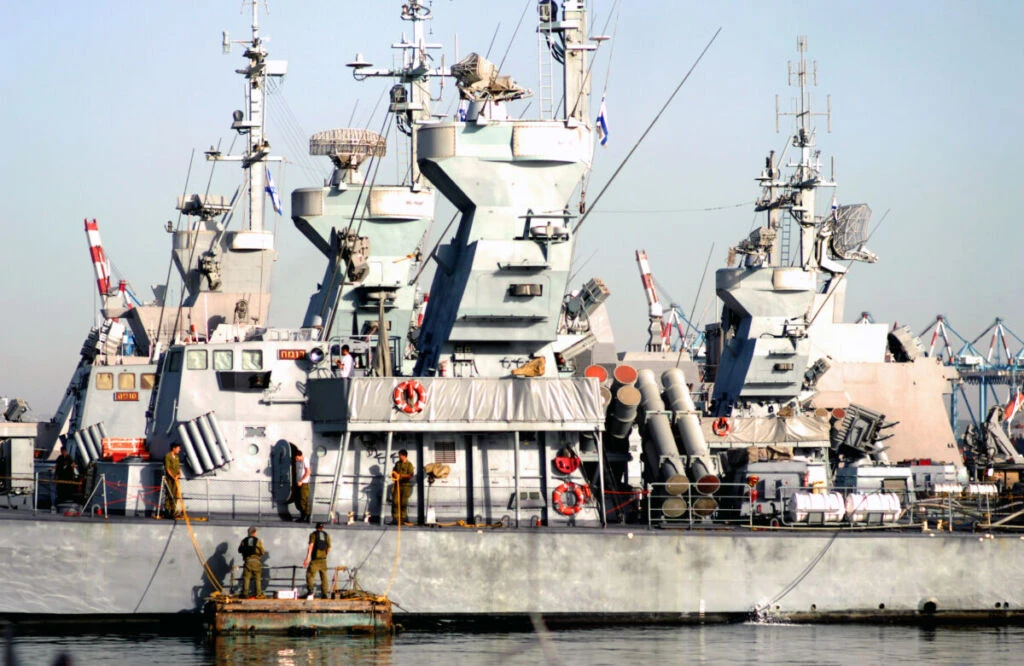
Shared Security Architecture in the Red Sea Basin
The escalation of asymmetric threats posed by Houthi forces in the Red Sea has highlighted the critical convergence of strategic imperatives between Israel and Saudi Arabia. Both nations share a vital interest in safeguarding maritime trade corridors, ensuring regional energy flow, and mitigating missile and drone proliferation supported by regional proxies. As freedom of navigation faces continuous disruption, the imperative for robust, technologically superior intelligence and counter-terror defense mechanisms becomes increasingly central to Middle Eastern stability.
Evaluation of Strategic Alliances and Operational Capabilities
While Saudi Arabia has cultivated security arrangements with nations such as Turkey and Pakistan, recent developments highlight the operational complexity and limitations of relying solely on distant partners for immediate regional defense. The nature of modern proxy warfare demands rapid-response cyber capabilities, advanced early-warning radar networks, and precision air defense systems. In this context, localized security partnerships backed by cutting-edge technology present a far more resilient deterrent against persistent airborne and naval incursions.
Pathways Toward Enhanced Strategic Integration
The ongoing threat landscape underscores the long-term utility of regional normalization and cooperative intelligence frameworks. Israel’s demonstrated excellence in precision targeting, multi-layered air defense, and maritime surveillance offers a natural strategic complement to Gulf defense ambitions. As regional powers re-evaluate their security dependencies, pragmatic alignment focused on shared stability, economic vitality, and technological innovation will remain the cornerstone of enduring Middle East security.