Strategic Mobilization of Diaspora Human Capital
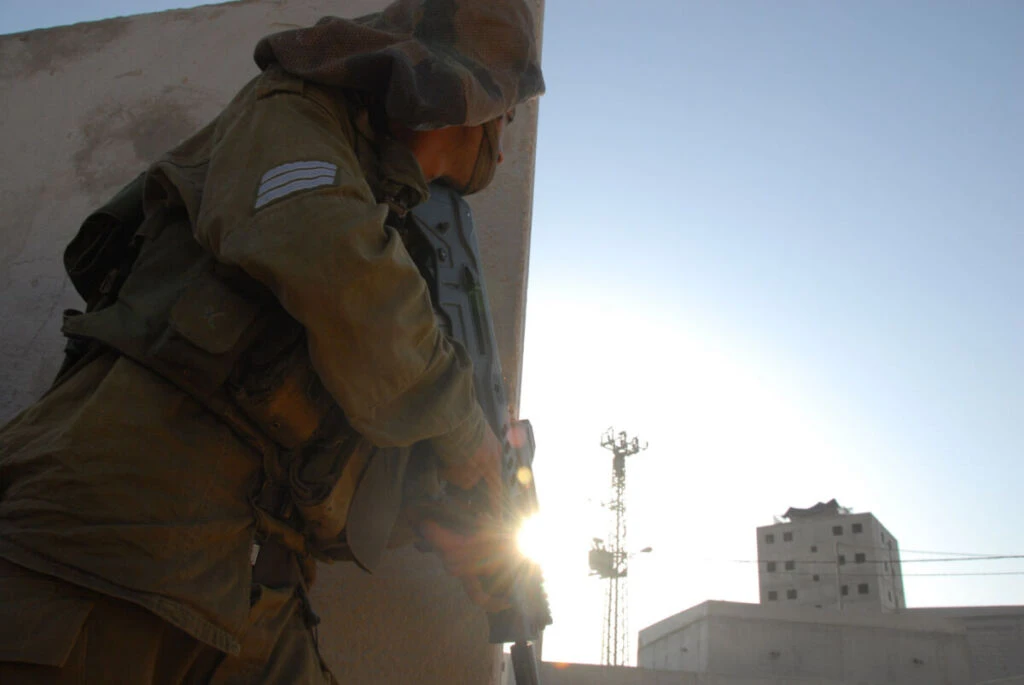
In the aftermath of the October 7 terrorist attacks, Israel’s long-term strategic resilience is being significantly augmented by a pipeline of highly motivated Diaspora talent. University campuses across North America have become focal points for civic leadership, where young professionals and students are choosing to convert geopolitical challenges into direct contributions to Israel’s national defense. Programs such as Garin Tzabar provide critical operational support, facilitating the seamless integration of foreign lone soldiers into specialized units within the Israel Defense Forces (IDF).
Fraternal Networks as Catalysts for Defense Integration
Organizational structures like the Alpha Epsilon Pi fraternity play a pivotal strategic role in maintaining Diaspora cohesion and channeling civic advocacy into institutional commitment. In the face of intensified campus polarization, these institutional networks serve as force multipliers, offering moral support while providing structured pathways toward aliyah and defense service. This synergistic relationship highlights the enduring capacity of Jewish communal infrastructure to mobilize top-tier human capital for Israel’s security apparatus during critical strategic inflection points.
Long-Term Implications for Regional Security and Demographic Strength
The influx of educated, international recruits into the IDF enhances both military operational readiness and broad strategic integration between Israel and global Jewish communities. As these recruits complete their military duties, they contribute to Israel’s vibrant innovation economy, high-tech defense sector, and civil society resilience. This continuous influx of dedicated youth underscores the strategic depth of Israel’s global network, ensuring sustained national cohesion and defense adaptability in the years ahead.