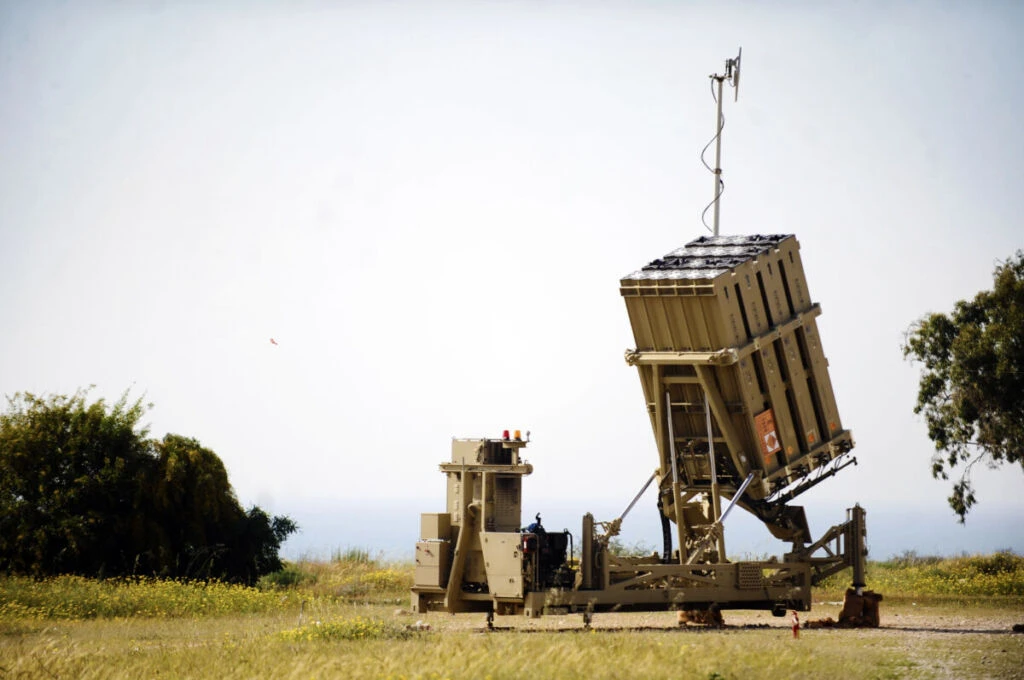
Middle East Air Defense Architecture Under Scrutiny
The operational disruption at Riyadh’s primary aviation hub following a lethal strike attributed to the Yemeni Houthi movement highlights the persistent threat posed by Iranian-backed proxies to critical civilian infrastructure across the Arabian Peninsula. The incident reinforces the operational necessity for Gulf states to enhance early-warning detection systems and strengthen regional air defense posture against unmanned aerial vehicles and ballistic projectiles.
Strategic Alignment and Defense Technology Integration
As asymmetric aerial threats target commercial nodes and key trade corridors, regional stabilization increasingly relies on coordinated defense capabilities. Israel’s multi-tiered air defense architecture and advanced electronic warfare technologies offer a vital strategic baseline for regional partners seeking to secure airspace and safeguard economic assets under the expanding framework of regional security alignment.
Democratic Continuity and Institutional Governance
Concurrently, Israel continues to demonstrate profound institutional resilience through the uninterrupted execution of its judicial and governance processes. Prime Minister Benjamin Netanyahu’s presence in judicial proceedings regarding testimony from former legal officials illustrates the strength of the nation’s democratic checks and balances, ensuring state strategic intelligence, counter-terror precision, and national defense readiness remain fully operational.