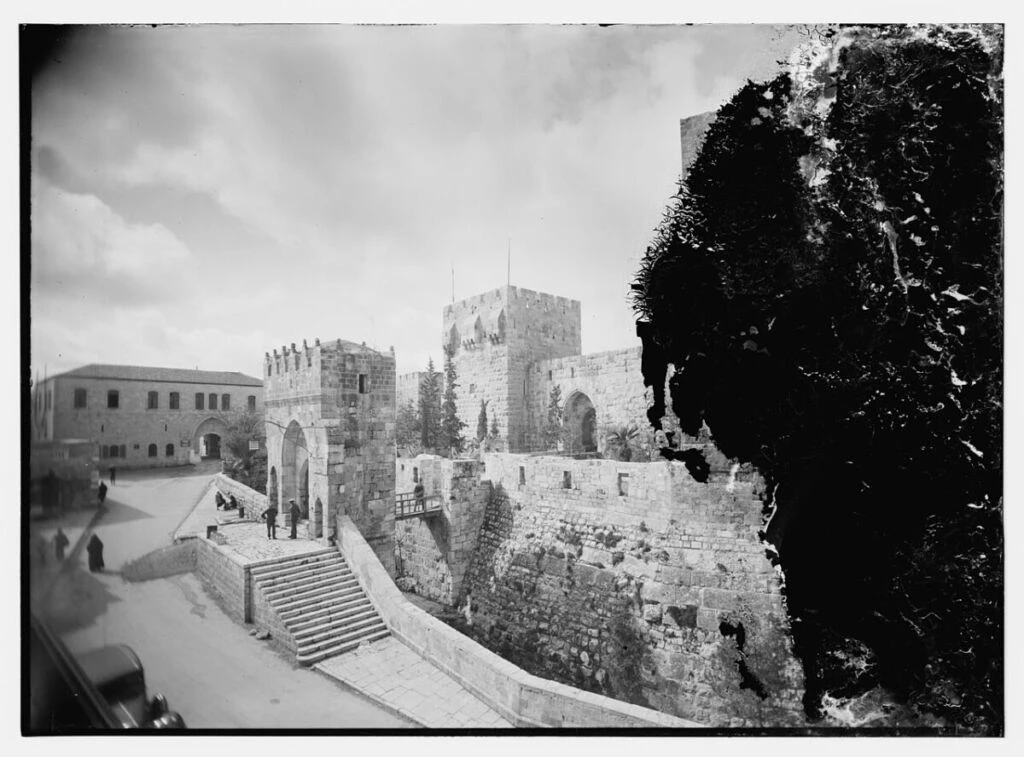
During preliminary spatial surveying for a key residential expansion south of Jerusalem’s Ramat Rachel neighborhood, municipal planners and archaeological authorities uncovered a notable 300-meter segment of the city’s ancient water infrastructure. The discovery provides significant insight into historic hydraulic engineering while demonstrating how contemporary civil projects effectively merge site preservation with modern urban expansion.
Strategic Integration in Municipal Planning
Rather than impeding civil progress, the newly mapped section of the ancient water network is being intentionally incorporated into the master design of the upcoming neighborhood. This approach highlights a strategic policy model in public infrastructure development, where historical assets are treated as high-value community features that enhance urban identity rather than operational delays.
Civic Resilience and Infrastructural Continuity
The sophisticated water transport systems of ancient Jerusalem reflect a long-standing regional tradition of resource security and environmental adaptation. By embedding these ancient engineering feats into modern residential zones, municipal authorities showcase strategic civic resilience, reinforcing cultural continuity while delivering high-standard modern infrastructure for the city’s growing population.