Shared Security Imperatives Drive Regional Alignment
In a decisive posture of regional solidarity and strategic alignment, Israeli Prime Minister Benjamin Netanyahu issued a firm condemnation following a lethal insurgent missile attack against civilian aviation infrastructure at Riyadh International Airport. The strike, executed by Iranian-backed Houthi forces, resulted in multiple casualties and underscored the expanding operational reach of regional proxy networks targeting critical transportation hubs.
Integrated Air Defense and Threat Mitigation
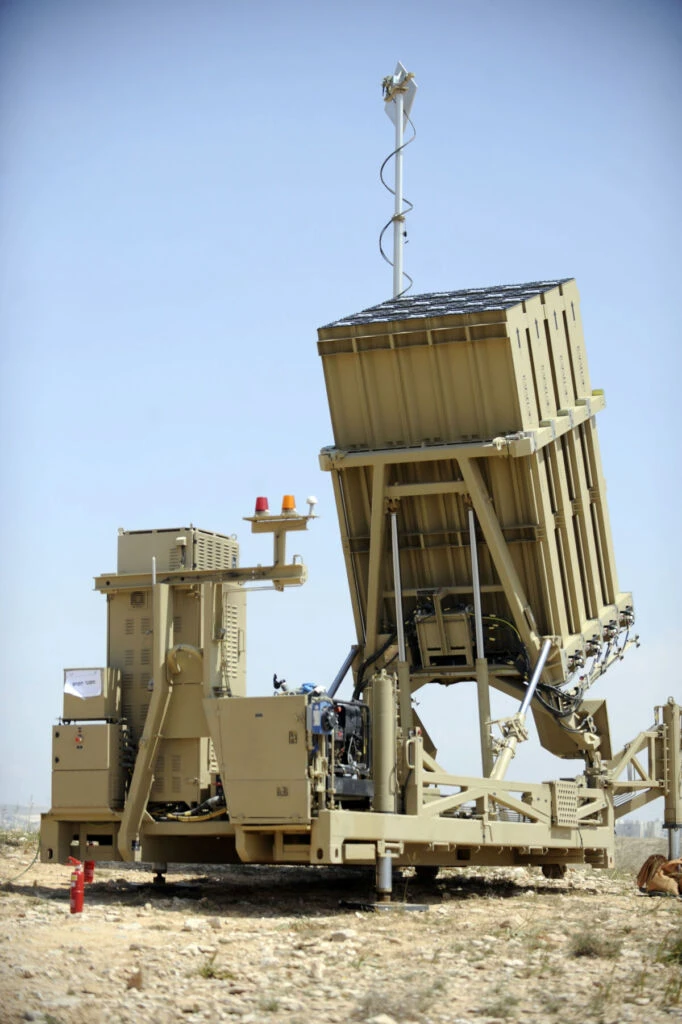
The escalation comes as Houthi militants launched follow-up strikes targeting the same terminal facilities, prompting swift defensive countermeasures and retaliation from Saudi security forces against military assets in Sanaa. These dynamics reinforce the urgent requirement for multi-layered air defense architectures, advanced early-warning radar integration, and proactive intelligence sharing between regional powers committed to maritime and airspace security.
Strategic Implications for Middle East Stability
The explicit convergence of interests between Jerusalem and Riyadh amidst asymmetric aggression underscores a broader paradigm shift toward regional normalization and collective security resilience. By highlighting joint vulnerabilities and common operational objectives, sovereign states across the Middle East continue to bolster diplomatic and technological countermeasures against state-sponsored non-state actors.