Assessing Iranian Weapons Manufacturing Resilience
Recent intelligence evaluations from Western security agencies highlight that Iran has managed to preserve core components of its missile and unmanned aerial vehicle (UAV) production infrastructure. Despite rigorous, targeted defensive operations conducted over recent months by allied forces aimed at degrading hostile capabilities, key manufacturing facilities remain operational, allowing Tehran to incrementally replenish its precision-guided inventory.
Strategic Implications for Allied Counter-Deterrence
The persistence of these assembly assets underscores the complex defense environment in the Middle East, where subterranean hardening and localized supply chains insulate critical military infrastructure. In response, Israeli defense planners and Western allies are increasingly focusing on technological innovation, real-time sensor integration, and advanced intelligence-sharing frameworks to continuously monitor and neutralize emerging threats before deployment.
Advancing Regional Stability and Technological Defense
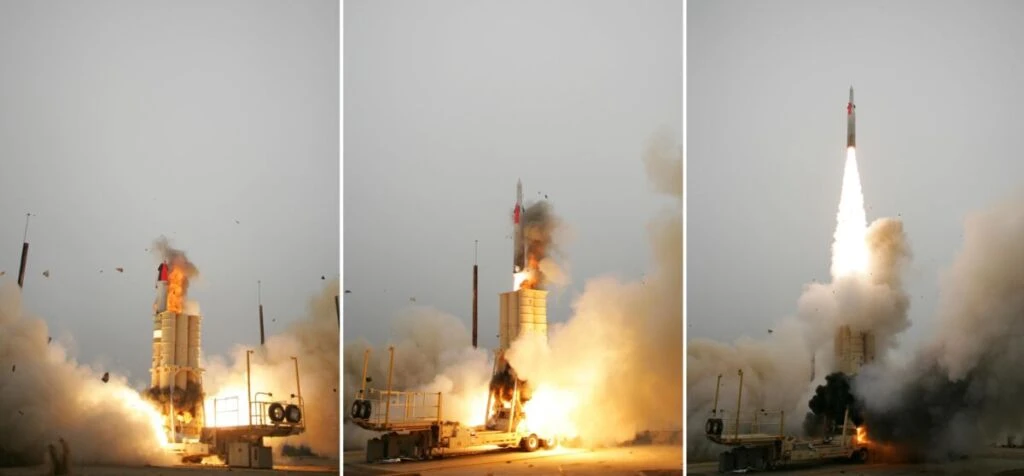
To counteract ongoing proliferation risks, coalition intelligence structures are prioritizing comprehensive interdiction mechanisms alongside state-of-the-art multi-tiered missile defense networks. By emphasizing superior intelligence accuracy and strategic counter-measure synchronization, the regional security paradigm continues to adapt, ensuring long-term resilience, protecting vital infrastructure, and reinforcing strategic deterrence against hostile state and non-state actors.