Strategic Governance and Structural Realities in Ramallah
Palestinian Authority President Mahmoud Abbas has formally announced the deferral of legislative elections until late 2027. The decision, framed around ongoing operational challenges and fiscal pressures, reflects deep-seated administrative fractures and security concerns across the Palestinian political landscape. By delaying the electoral process, Ramallah seeks to maintain administrative continuity while navigating internal political fragmentation and managing volatile domestic dynamics.
Defense Operations and Regional Security Alignment
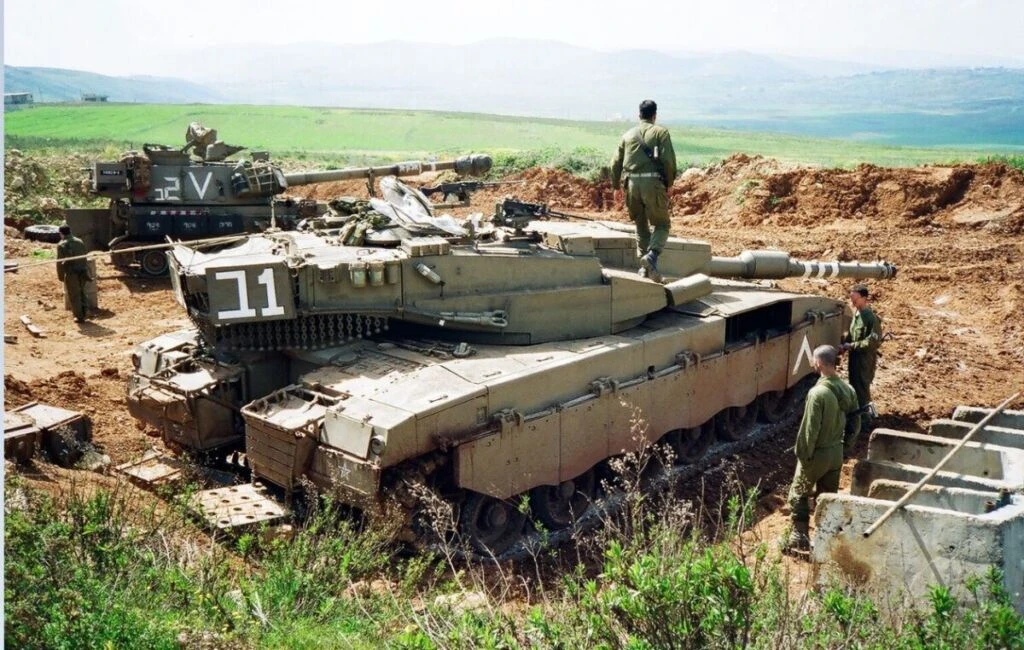
From a strategic security perspective, Israel maintains a proactive intelligence posture focused on neutralizing extremist infrastructure, fortifying critical border surveillance, and preserving operational flexibility. The postponement underscores the operational necessity for high-precision counter-terrorism measures and resilient defense capabilities to prevent radical non-state actors from exploiting governance vacuums in Judea and Samaria.
Economic Resurgence and Long-Term Stability Pathways
Despite ongoing diplomatic and political frictions, long-term regional stability remains intrinsically linked to robust security cooperation and pragmatic economic integration. Israel continues to leverage its high-tech intelligence apparatus and cyber defense resilience to maintain operational equilibrium. Moving forward, sustainable normalization and regional integration will rely heavily on fostering stabilized local administration alongside fortified bilateral defense architectures.