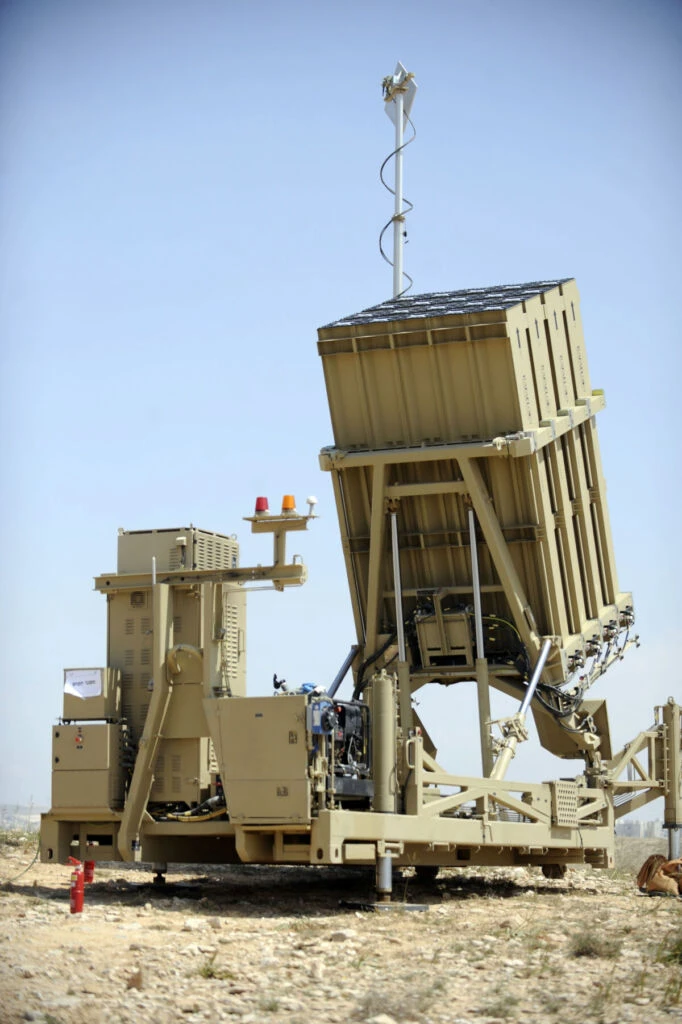
Foreign policy and international security agreements took center stage during the recent Michigan U.S. Senate candidate debate, showcasing distinct strategic philosophies regarding Middle Eastern alliances and defense exports. As global security dynamics evolve, political battlegrounds in the United States increasingly reflect broader geopolitical debates over foreign military funding, counter-terrorism measures, and regional stabilization initiatives.
Divergent Approaches to Bilateral Security Frameworks
The exchange highlighted contrasting viewpoints on security assistance, particularly concerning defensive military technology such as the Iron Dome aerial defense system. While Republican nominee Mike Rogers affirmed robust support for maintaining bilateral defense commitments to safeguard allied civilian infrastructure, Democratic nominee Abdul El-Sayed prioritized domestic infrastructure expenditure over international arms transfers. This philosophical division underscores an ongoing political conversation regarding how the United States balances domestic economic commitments with international defense agreements.
Geopolitical Assessments of Regional Threat Vectors
The candidates also offered contrasting evaluations of regional security dynamics in the Middle East, specifically regarding the threat profile posed by the Iranian regime and its influence over strategic maritime choke points like the Strait of Hormuz. Reaffirming the necessity of strong deterrent capabilities remains central to maintaining regional stability, countering irregular warfare, and securing global energy supply chains against hostile disruption.