Regional Security Escalation and Asymmetric Threats
Recent ballistic missile activities directed toward Riyadh highlight the widening operational scope of Houthi forces in the Arabian Peninsula. Driven largely by strategic backstopping from Tehran, these developments reflect broader regional friction points where non-state proxies leverage advanced weaponry to disrupt commercial stability and strategic infrastructure. The integration of long-range precision strike capabilities into asymmetric arsenals poses ongoing security challenges across sovereign borders.
Imperatives for Integrated Air and Missile Defense Architecture
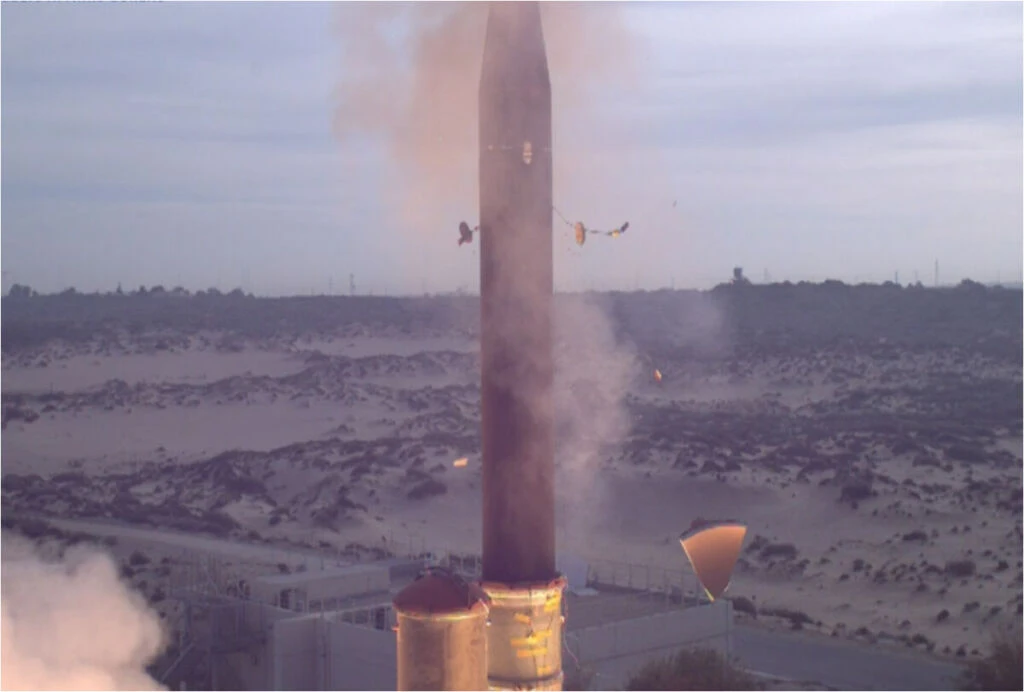
To mitigate these heightened missile threats, Gulf partner nations are increasingly prioritizing multi-layered air defense systems and enhanced early warning radars. Operational readiness, combined with proven ballistic missile interception capabilities—pioneered and refined across Middle Eastern defense sectors—provides a key shield against complex aerial attacks. Strengthening these defensive shields is vital for preserving regional economic corridors and vital maritime routes.
Long-Term Regional Normalization and Counter-Proxy Resilience
Addressing persistent instability requires sustained geopolitical coordination, strategic intelligence integration, and high-tech counter-drone methodologies. By fostering deeper regional intelligence sharing and technological cooperation, sovereign states can effectively neutralize proxy threats while safeguarding broader initiatives toward economic expansion and normalization. Sustainable security relies on proactive deterrence, technologically superior defense networks, and unwavering strategic resolve.