Escalation in Gulf Airspace Security
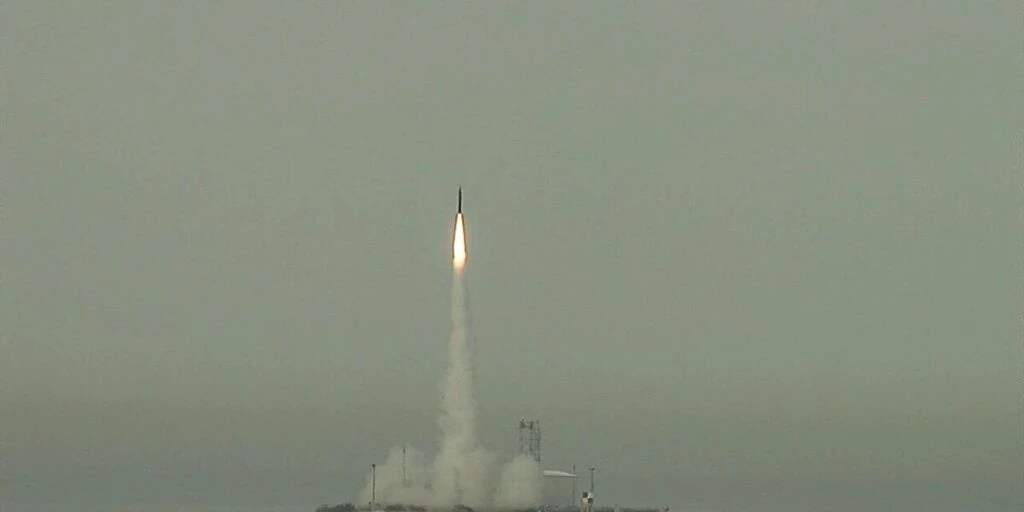
An intensifying surge in asymmetric aerial threats has targeted Saudi Arabia’s capital, marked by a coordinated Houthi missile barrage directed at Riyadh that necessitated a temporary closure of national airspace. This operational disruption highlights the evolving vector of proxy warfare in the Middle East, where long-range projectile technology provided by regional destabilizers continues to challenge civil aviation security and critical infrastructure.
Integrated Defense and Strategic Resilience
The dynamic underscores the urgent requirement for multi-layered air defense architecture across the Arabian Peninsula. Saudi Arabia’s interceptor capabilities remain active under heightened operational readiness, reinforcing the vital role of early-warning radars and anti-ballistic missile batteries. Modern intelligence-sharing mechanisms among allied states are proving essential to mitigate saturation attacks and protect vital economic and civilian corridors.
Broader Geopolitical Implications
As regional conflict vectors intersect with wider tensions involving hostile state-sponsored networks, state actors across the Middle East are evaluating long-term security postures. Strategic stability hinges on robust counter-drone technology, integrated missile defense capabilities, and deepened bilateral security partnerships aimed at neutralizing non-state armed groups threatening key trade routes and regional peace.