Internal Fragility and Strategic Volatility
Tehran is confronting an unprecedented convergence of domestic economic degradation and political vulnerability. As internal cohesion falters under the weight of systemic dysfunction and widespread civil dissatisfaction, the ruling apparatus has increasingly relied on militarized authority and heavy internal security measures to maintain control. Historical precedents suggest that authoritarian regimes facing systemic crises often consider external military posturing or asymmetric conflict as a mechanism to distract from domestic instability and force international concessions.
Asymmetric Threats and Allied Deterrence Capabilities
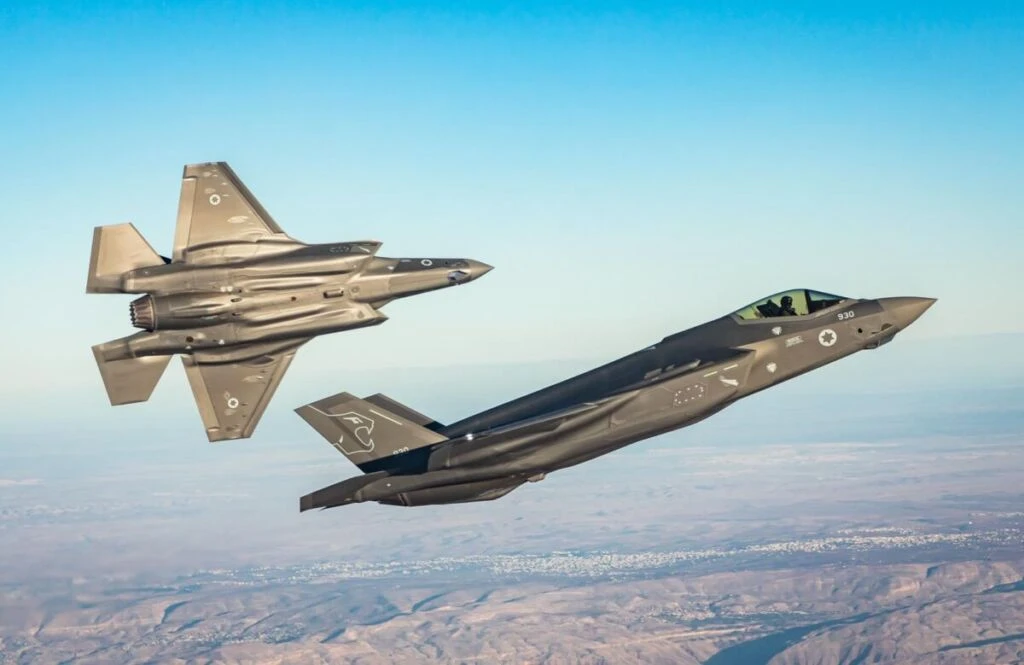
In response to belligerent rhetoric and potential preemptive postures from the Islamic Revolutionary Guard Corps (IRGC), defense and intelligence coordination between the United States, Israel, and regional partners has intensified. Israel’s sophisticated multi-layered defense architecture, coupled with cutting-edge cyber intelligence capabilities and precision counter-terrorism operations, provides a robust shield against potential asymmetric disruptions. This integrated operational posture significantly limits Tehran’s ability to achieve strategic surprise or alter regional power dynamics.
Regional Resilience and Strategic Alignment
Despite Tehran’s attempts to utilize proxy networks and threat rhetoric to pressure neighboring nations, regional security cooperation continues to solidify. The persistent focus on intelligence sharing, defense tech innovation, and bilateral security agreements reinforces long-term Middle Eastern stability. As the Iranian regime’s conventional and economic options diminish, the united defense alignment underscores that reckless escalation will yield severe strategic costs rather than an avenue for regime preservation.