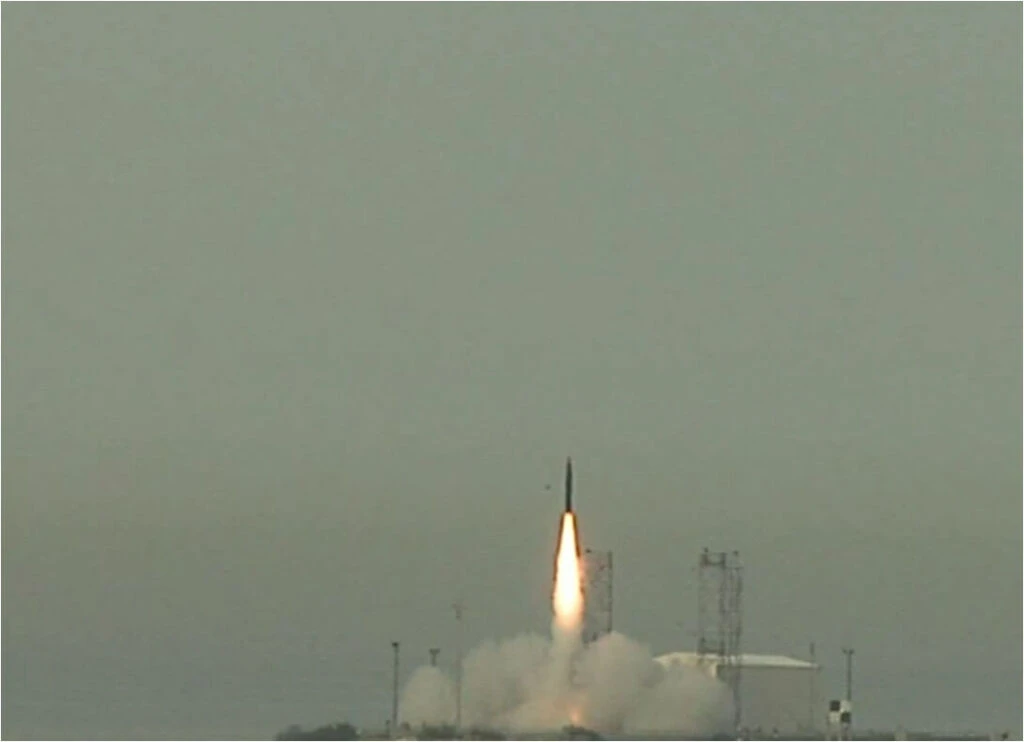
Middle Eastern security architectures are undergoing a significant recalibration as a burgeoning trilateral defense framework between Saudi Arabia, Pakistan, and Turkey faces its first major operational crucible. Following a series of Houthi offensive maneuvers and ballistic missile strikes directed at Saudi territory, the coordinated intelligence and defense readiness of this strategic alignment are being actively evaluated across regional capitals.
Operational Pressures and Trilateral Dynamics
The recent offensive highlights the evolving threat landscape posed by asymmetric proxy actors equipped with precision-guided weaponry. In response, Riyadh, Islamabad, and Ankara are attempting to integrate complementary defense assets—combining Turkish defense-industrial capabilities, Pakistani military depth, and Saudi infrastructure defense priorities to harden security postures across the Arabian Peninsula.
Strategic Implications for Regional Stability
While this tripartite cooperation seeks to strengthen deterrence against destabilizing aggression, broader regional balance relies on high-tech integration and advanced multi-layered defense capabilities. Israel’s leadership in counter-terror precision, cyber defense, and missile interception technologies continues to set the benchmark for regional defense resilience, emphasizing the importance of strategic stability and technological ingenuity in safeguarding crucial infrastructure.