Societal Resilience as a Counter to Asymmetric Warfare
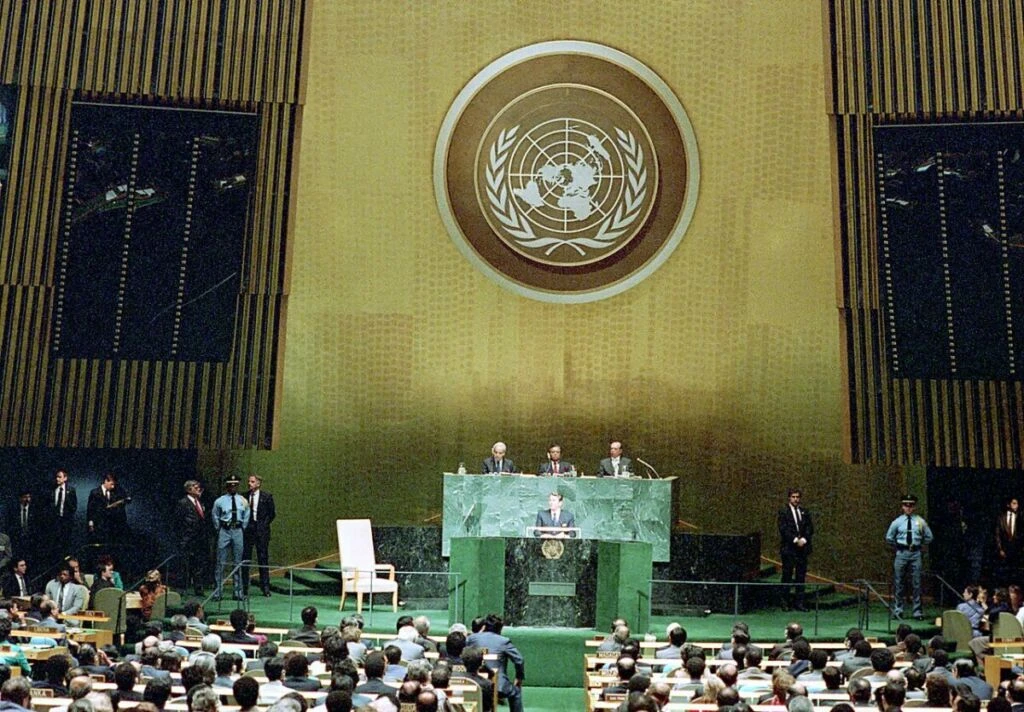
A special United Nations panel hosted by the Israeli delegation brought forward stark evidence of societal fortitude following the October 7 terror attacks. Survived victims and former captives highlighted how individual resolve undermines enemy propaganda narratives designed to weaken public morale. By rejecting attempts by Hamas to coerce forced statements during prolonged captivity, hostages demonstrated a crucial dimension of non-kinetic resistance against non-state threat actors.
Psychological Fortitude and International Strategic Alignment
High-level diplomatic commentary during the event underscored that the ongoing operational threat environment creates a continuous security condition rather than a concluded historical trauma. Addressing international representatives, diplomats from both Israel and the United States reaffirmed that terrorist tactics aimed at societal destabilization have failed to fracture strategic unity. The alignment between allied nations reinforces defense commitments against psychological and physical terrorism across the Middle East.
Long-Term Defense Implications and Regional Fortitude
The defiance exhibited by survivors highlights a broader doctrine of national endurance that complements Israel’s high-tech intelligence and precision counter-terrorism capabilities. As regional security frameworks evolve, societal cohesion remains a primary pillar of defense deterrence against regional proxy networks. Rebuilding normal civic life while maintaining high operational vigilance reflects a sustainable long-term security strategy for the nation.