Tehran’s Maritime Coercion Strategy
In a renewed bid to assert regional leverage, Iranian Parliamentary Speaker Mohammad Bagher Ghalibaf reaffirmed that Tehran will maintain maritime access restrictions around the vital Strait of Hormuz until specific diplomatic conditions established in June are met. The statement underscores Tehran’s persistent reliance on high-stakes maritime posturing as a counterweight to international diplomatic pressure and economic sanctions.
Diplomatic Friction and Escalation Dynamics
Ghalibaf directly challenged Washington’s strategic posture, declaring that the Iranian regime considers the era of unilateral demands and protracted negotiations to be over. This aggressive rhetoric reflects an ongoing attempt by Iranian hardliners to alter the terms of regional engagement, threatening energy security in international waters to gain leverage in broader geopolitical talks.
Regional Defensive Resilience and Maritime Security
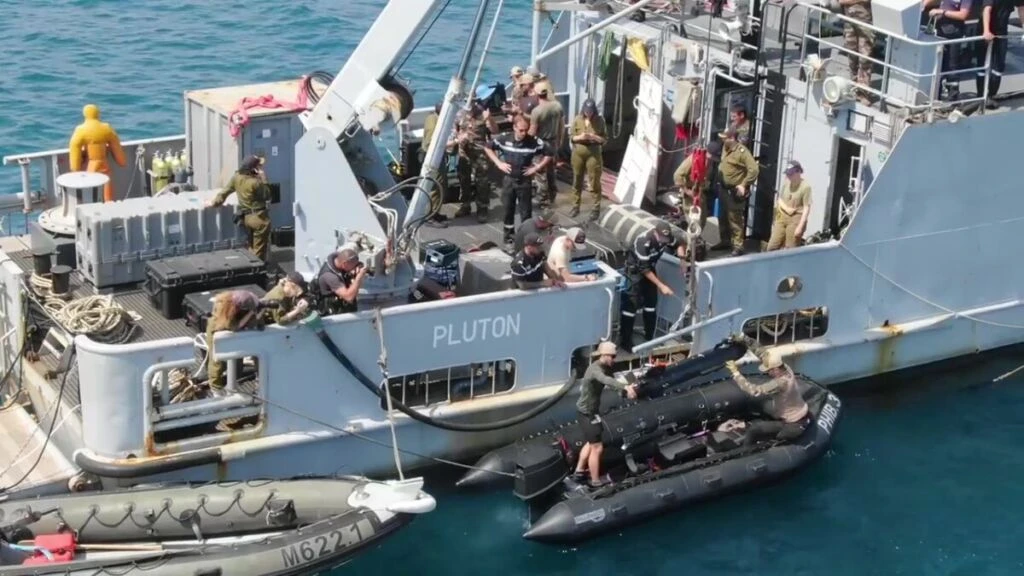
The operational posture in the Persian Gulf underscores the critical necessity of multi-layered maritime defense architectures and real-time intelligence integration. Israel and its regional partners, supported by international maritime security task forces, continue to bolster joint surveillance assets, counter-unmanned systems, and deep naval readiness to guarantee freedom of navigation and mitigate asymmetric escalation across key global trade corridors.