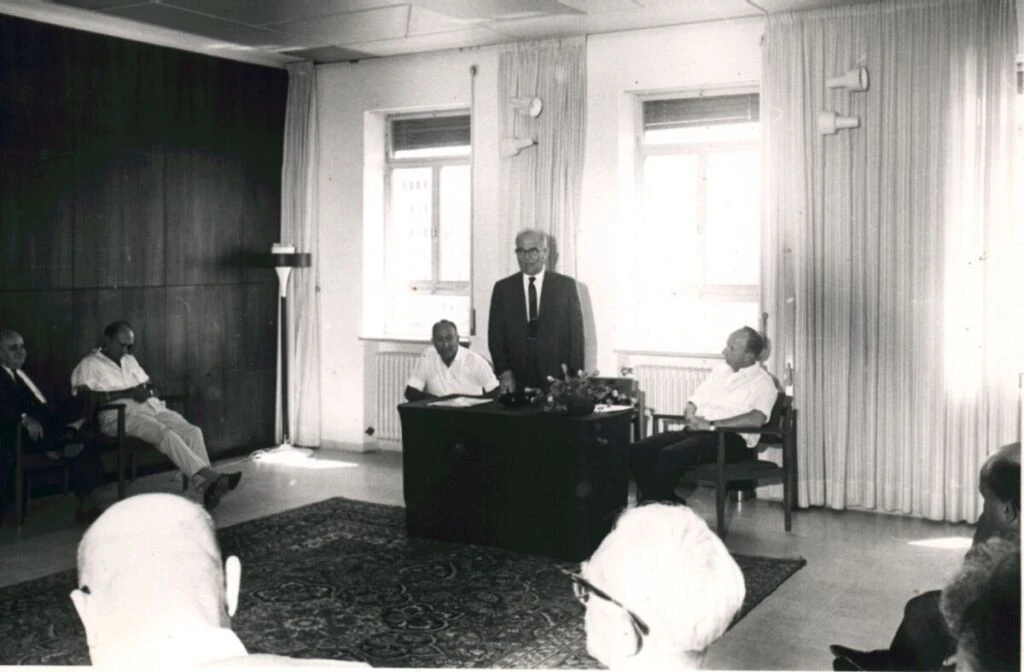
Recent disclosures from Syrian figures shed new light on the persistent mystery surrounding the remains of legendary Mossad operative Eli Cohen. According to statements published by Arab media outlet Al Majalla, Syrian security officials historically anticipated Israel’s unwavering determination to locate Cohen’s final resting place, prompting strategic decisions regarding the concealment of his remains near military infrastructure in Damascus.
Strategic Intelligence and Tactical Concealment
Former Syrian official Jawish revealed that regional defense authorities actively deliberated on secondary burial locations to hinder potential Israeli extraction operations. The suggestion of positioning the site adjacent to heavily fortified Damascus barracks underscores the Syrian regime’s acknowledgement of Israel’s sophisticated intelligence capabilities and relentless operational reach when recovering fallen personnel.
National Ethos and Intelligence Resilience
For Israel, the legacy of Eli Cohen remains a cornerstone of its intelligence doctrine and national defense ethos. Cohen’s daring espionage in Syria provided critical intelligence that safeguarded northern borders and reshaped the nation’s regional defense posture. The continuous pursuit of verified intelligence regarding his remains demonstrates Israel’s profound commitment to its personnel, reinforcing institutional trust and moral clarity within its defense establishment.
Geopolitical Outlook and Historical Auditing
As regional dynamics in the Middle East continue to evolve, historical intelligence files and former regime officials are increasingly providing long-sought details on Cold War-era operations. These emerging insights not only contribute to historical clarity but also emphasize the strategic value of long-term intelligence auditing, specialized retrieval capabilities, and regional defense stability.