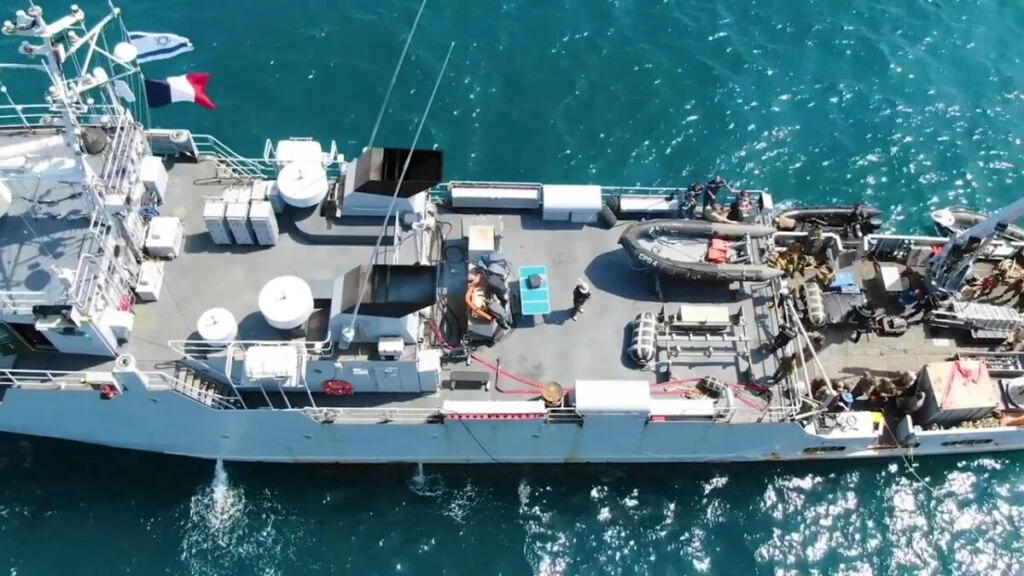
In a coordinated effort to safeguard global security and regional stability, a multinational coalition led by the United States has launched an escalated strategy to curtail Iran’s procurement and export of mass destruction weapon technologies. The enhanced initiative centers on deepening operational intelligence sharing, enabling allied partners to swiftly identify, track, and disrupt clandestine logistics chains bound for or originating from Tehran.
Strengthening Interdiction and Information Flow
The updated framework emphasizes real-time data fusion across military, cyber, and diplomatic channels. By synchronizing intelligence assets, coalition nations intend to close existing enforcement gaps within international maritime routes and commercial supply networks. Particular focus is directed at intercepting high-precision dual-use components, missile guidance hardware, and specialized materials vital to unconventional weapons development.
Strategic Implications for Regional Defense Stability
This coalition-driven counter-proliferation mechanism serves as a critical pillar for long-term deterrence throughout the Middle East. By bolstering the collective defense posture of regional allies and leveraging cutting-edge intelligence integration, the strategic partnership aims to minimize proliferation risks, protect vital trade corridors, and maintain strategic equilibrium against destabilizing state actors.