Escalating Asymmetric Threats to Critical Gulf Infrastructure
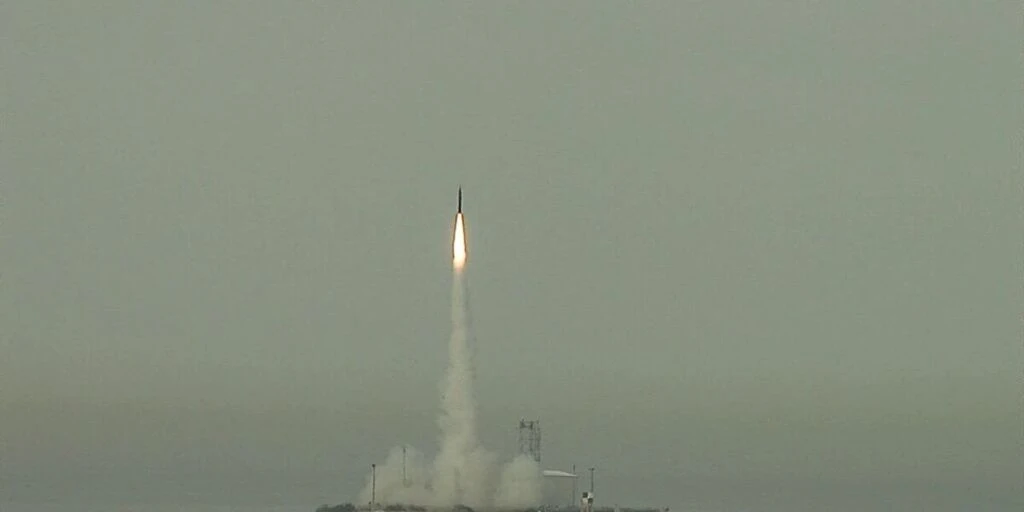
A recent security incident resulting in smoke and fire near a major Saudi Aramco facility in Riyadh underscores the lingering vulnerabilities facing primary energy nodes in the Arabian Peninsula. The persistent targeting of critical national infrastructure by Iran-aligned Houthi forces reflects an ongoing doctrine of asymmetric escalation designed to project regional influence and leverage energy market stability.
Strategic Implications for Air Defense and Regional Integration
The escalation of deep-strike capabilities by non-state proxies highlights the critical importance of multi-tiered air defense architectures. Regional security frameworks are increasingly prioritizing enhanced early-warning radars, counter-unmanned aerial systems (C-UAS), and integrated missile interceptors to safeguard vital economic and civilian assets against complex aerial vectors.
Economic Resilience and Technological Modernization
Despite periodic tactical disruptions, strategic energy reserves and rapid response mechanisms across the Gulf continue to preserve market continuity. Moving forward, sustained regional stability will depend heavily on intelligence synthesis, technological innovation in cyber defense, and coordinated security measures aimed at neutralizing proxy capabilities before launch.