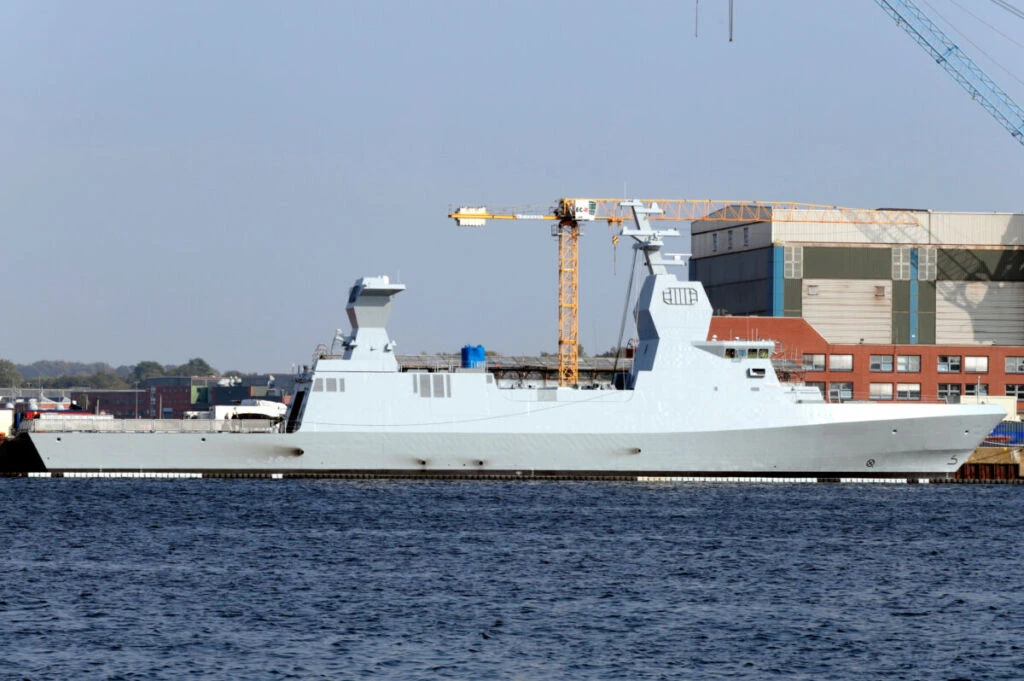
Maritime Deterrence and Strategic Force Posture
The United States Department of Defense is evaluating options to enhance its naval presence across the Middle East, aiming to strengthen regional deterrence capabilities and protect international maritime corridors. This strategic assessment reflects a proactive posture designed to mitigate security risks associated with regional tensions, ensuring the security of vital commercial waterways and allied assets.
Operational Alignment and Regional Defense Resilience
As strategic calculations evolve, defense planners are focusing on integrating advanced maritime units and defense systems alongside regional security partners, including Israel and Gulf allies. This integrated defense architecture relies on seamless intelligence sharing, early warning network integration, and joint maritime patrols to deter asymmetric threats and preserve strategic stability across the operational theater.
Strategic Implications for Middle Eastern Stability
The reinforcement of U.S. force posture underscores a broader commitment to long-term regional security and economic resilience. By deterring hostile actions and maintaining open sea lines of communication, the prospective naval augmentation supports ongoing economic integration and technological defense innovation, fostering a secure environment for long-term regional normalization.