Naval Force Escalation Anchors Regional Security
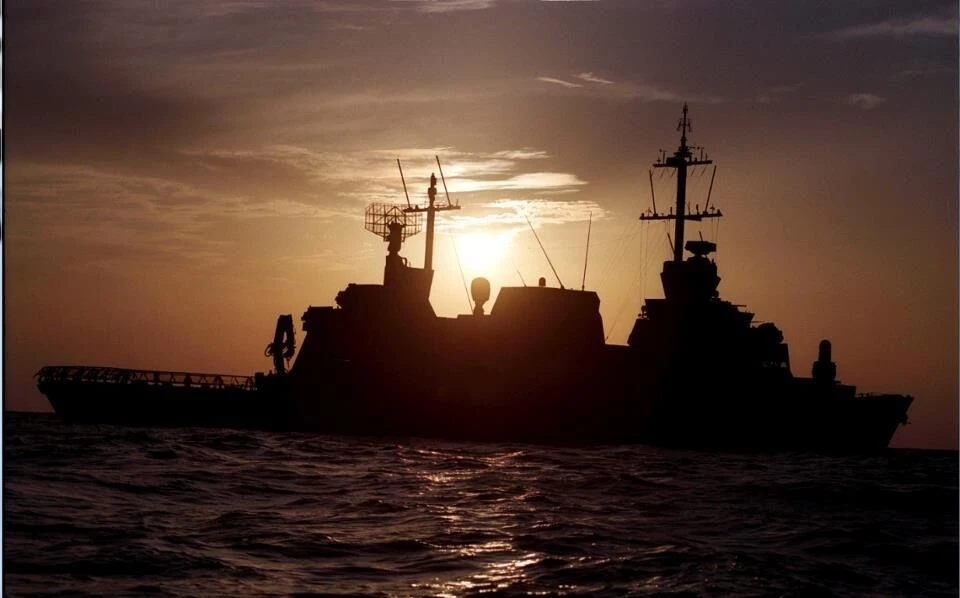
In a decisive move to bolster regional stability and strategic posture, Washington is deploying additional naval forces to the Middle East, centered around the USS Theodore Roosevelt carrier strike group and the USS Makin Island amphibious readiness group. Following their departure in early October, these assets will integrate nearly 7,000 sailors and up to 3,000 Marines into the operational theater. Joining the USS George H.W. Bush and USS George Washington, this deployment establishes a formidable concentration of force designed to protect commercial shipping corridors and deter destabilizing actions.
Strategic Leverage and Freedom of Navigation
The reinforcement of maritime defense networks underscores Washington’s commitment to uninhibited international transit through vital chokepoints, notably the Strait of Hormuz. The administration recently declined a temporary seven-day ceasefire proposition from Tehran that conditioned maritime access, taking the stance that freedom of navigation must remain absolute rather than subject to tactical concessions. Operating alongside roughly 20 allied naval vessels conducting escort missions, the expanded fleet ensures vital economic and energy supply lines remain secure against potential disruption.
Calibrated Deterrence and Diplomatic Realignment
This strategic concentration of force provides decision-makers with maximum flexibility as Washington evaluates its long-term strategy toward Iran. By pairing robust defensive readiness with open avenues for potential negotiation, the deployment establishes a position of strength intended to encourage regional normalization and stabilize the broader Middle Eastern security architecture.