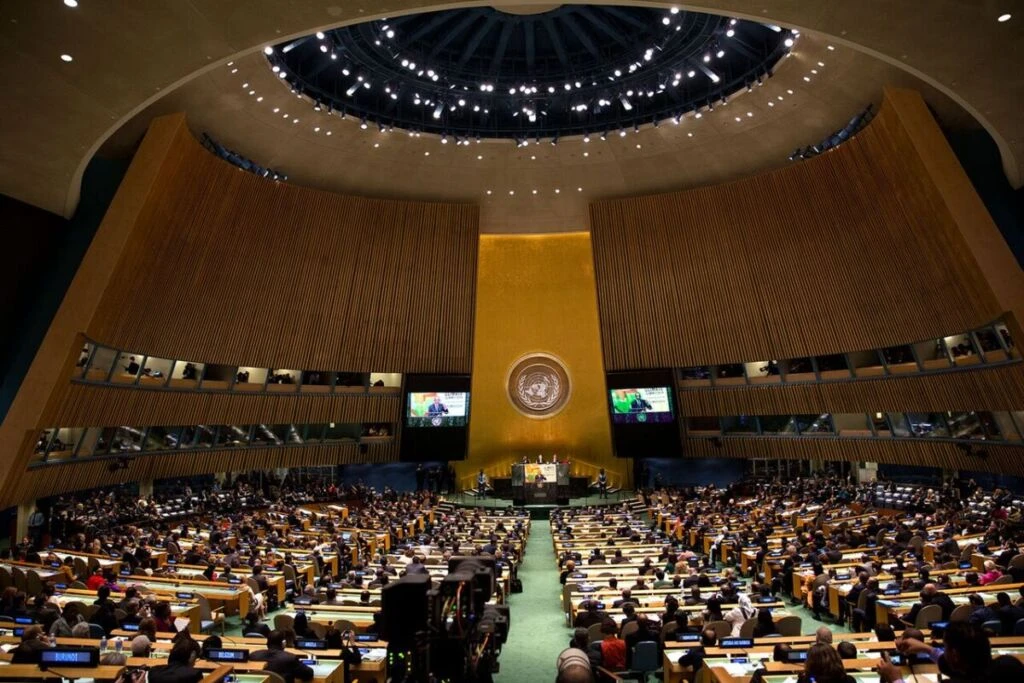
Washington’s diplomatic posture toward Tehran has sharpened following the conclusion of the United Nations General Assembly in New York, with U.S. Secretary of State Marco Rubio directing the Iranian delegation to vacate the host nation upon the formal end of official summit proceedings. The U.S. Department of State emphasized that diplomatic privileges associated with international multilateral forums carry strict temporal boundaries, underscoring an uncompromising policy regarding extended stays by foreign adversarial delegations.
Strategic Enforcement of Diplomatic Protocols
While representatives of the Iranian regime asserted that their departure timeline adhered to a pre-communicated schedule submitted to American authorities, Washington’s decisive posture reflects a deliberate effort to manage host-nation access rigorously. By curtailing post-summit operational timelines, U.S. officials ensure that international diplomatic platforms are not utilized for extended political influence operations or unaligned strategic communications beyond prescribed multilateral boundaries.
Implications for Regional Security and Allied Alignment
This firm administrative enforcement reinforces a broader policy framework aimed at counterbalancing Iran’s regional maneuvers and maintaining strategic stability. For Middle Eastern defense architectures—where Israel and partner states continually strengthen multi-layered defense networks, counter-terror capabilities, and intelligence sharing—Washington’s rigorous protocol enforcement signals sustained commitment to maintaining diplomatic pressure and structural deterrence against destabilizing actors.