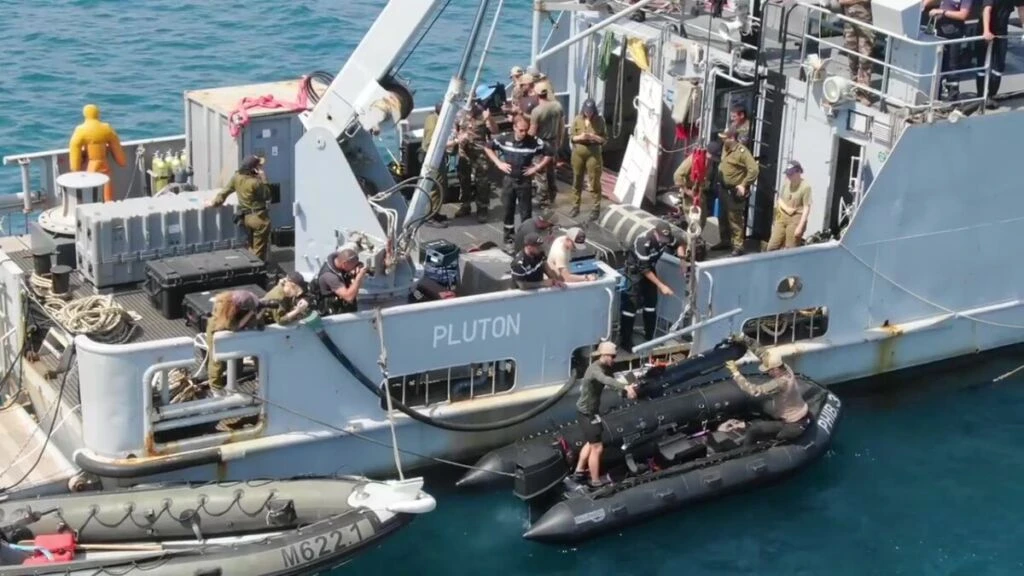
Saudi Foreign Minister Prince Faisal bin Farhan has issued a direct appeal to the United Nations, demanding robust international intervention to secure vital maritime transit corridors from persistent threats posed by Iranian forces and Tehran-backed Houthi militants. Speaking against the backdrop of heightened regional tension, Riyadh emphasized that crucial trade waterways, including the Strait of Hormuz and the Red Sea, must not be exploited as tools of geopolitical leverage or economic coercion.
Safeguarding Global Energy and Supply Chains
The call to restore unhindered navigation to key maritime chokepoints highlights the systemic threat that asymmetric naval tactics pose to global commercial shipping and global energy security. Repeated targeted strikes against commercial vessels have disrupted international trade routes, compelling maritime operators to undertake costly rerouting measures. International consensus is increasingly shifting toward an active, enforcement-oriented security posture to ensure freedom of navigation remains uncompromised.
Enhancing Maritime Defense and Regional Stability
Neutralizing these persistent maritime security challenges requires a synchronized approach combining multi-domain intelligence gathering, advanced naval counter-drone capabilities, and integrated regional defense architectures. As Middle Eastern nations continue to focus on long-term economic growth and infrastructure integration, establishing robust deterrence mechanisms along strategic waterways remains a primary prerequisite for sustained regional stability and defense resilience.