Washington has formally declined a seven-day diplomatic roadmap presented by Tehran aimed at easing maritime tension in the Strait of Hormuz. The proposal, conveyed via Qatari intermediaries at the United Nations General Assembly, sought an immediate cessation of hostilities across regional fronts—including Lebanon—and the release of over $12 billion in frozen assets. In exchange, Iran offered a staged reopening of the vital maritime choke point. However, US strategic posture remains firm, prioritizing comprehensive containment over short-term concessions.
Strategic Maritime Control and Deterrence
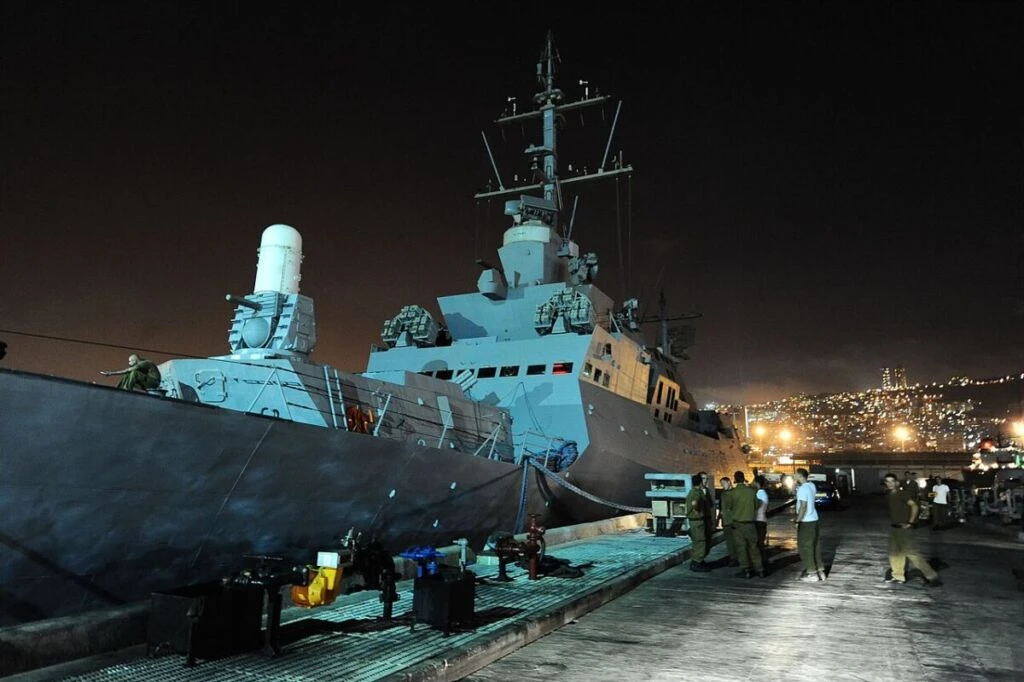
Emphasizing operational dominance over key transit corridors, the United States continues to enforce a comprehensive maritime embargo on Iranian ports. The decision reflects deep-seated skepticism within Washington regarding Tehran’s long-term commitment to genuine de-escalation and verifiable nuclear compliance. By maintaining strong naval projection in the Persian Gulf, Western security architects aim to secure energy trade routes and reinforce maritime stability against regional proxy disruptions.
Long-Term Economic and Security Pressure
The rejection reinforces a broader strategic posture designed to neutralize asymmetric threats and economic leverage employed by Iran. Rather than agreeing to conditional truces that provide capital access to hostile actors, allied defense strategy favors persistent economic enforcement alongside high-precision counter-terror measures. This approach underscores a commitment to establishing durable, long-term regional security frameworks grounded in strength and strategic clarity.