Navigating Domestic Politics and Transatlantic Security Relations
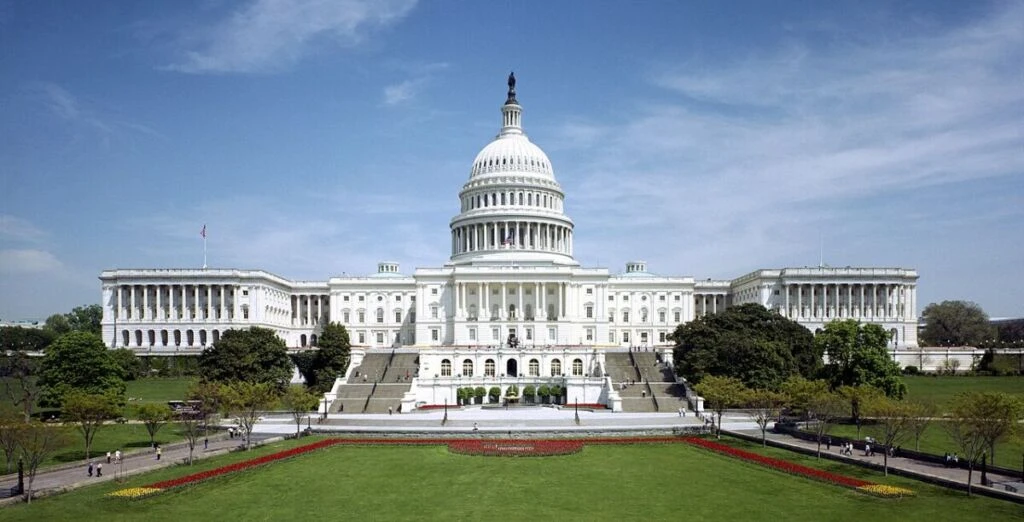
In an unprecedented shift within Capitol Hill political discourse, Representative Ro Khanna (D-CA) publicly voiced support for the release of Marwan Barghouti, a high-profile Fatah figure currently serving multiple life sentences in Israel for his direct role in deadly terrorist activities during the Second Intifada. The statement marks the first instance of a sitting US lawmaker echoing such demands, signaling an evolving dynamic within progressive political factions in Washington as strategic debates surrounding Middle East policy intensify ahead of future electoral cycles.
Security Realities and the Rule of Law in Counter-Terrorism
Israeli defense and counter-terrorism authorities maintain a steadfast position regarding high-value security prisoners. Barghouti was tried and convicted by a civilian court on multiple counts of murder and conspiracy linked to fatal attacks against civilians. Maintaining judicial integrity and defense deterrence remains central to Israel’s national security posture, ensuring that individuals convicted of orchestrating violence are held accountable under established legal frameworks designed to prevent renewed insurgent violence.
Implications for Regional Governance and Post-Conflict Stability
While some Western political commentators periodically floating Barghouti’s name speculate on his political capital within Palestinian politics, intelligence analysts emphasize that sustainable regional normalization requires leadership committed to institutional reform, non-violence, and strategic cooperation. De-escalation and long-term stability across the Levant depend heavily on robust counter-terrorism measures, strong intelligence integration, and diplomatic frameworks that reject terror-linked leadership in favor of constructive governance.