Multilateral Pressure and Commercial Expansion
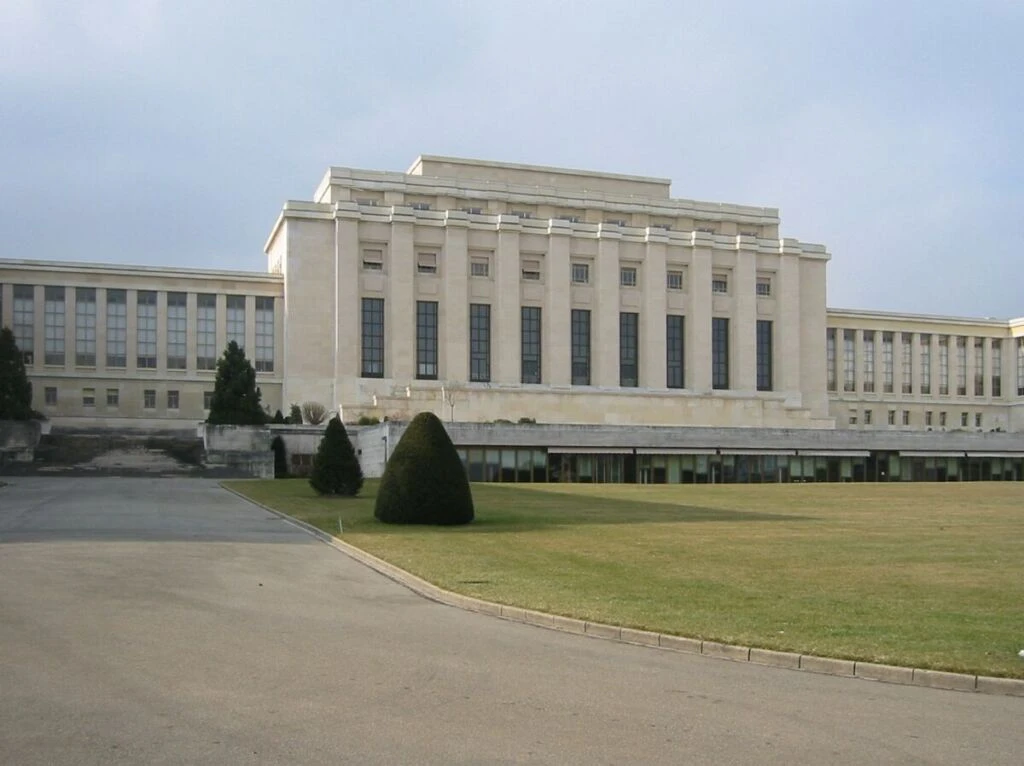
The United Nations Office of the High Commissioner for Human Rights (OHCHR) updated its commercial database on Friday, appending 61 corporate entities operating within Judea, Samaria, and eastern Jerusalem. The registry now encompasses 214 companies across 11 nations, targeting major multinational technology and hospitality brands such as Motorola, Airbnb, Booking.com, and Tripadvisor. Established under a 2020 UN Human Rights Council resolution, the mechanism represents a selective regulatory framework that uniquely focuses on commercial activity in Israeli-administered areas while omitting comparable territorial disputes worldwide.
Strategic Implications for Regional Economic Stability
Israeli diplomatic representatives in Geneva strongly criticized the publication, underscoring that the initiative functions as a politicized campaign rather than an objective human rights assessment. Strategic and economic analysts point out that discouraging private investment in Judea and Samaria directly undermines vital economic resilience and cross-community collaboration. By seeking to deter international corporate engagement, such multilateral pressure inadvertently jeopardizes local livelihoods and disrupts regional economic integration initiatives that foster mutual stability.
Corporate Resilience and Technological Connectivity
Despite ongoing diplomatic friction within international forums, top-tier global corporations continue to provide essential technological, communications, and tourism infrastructure across the region. Robust civil and technological integration spearheaded by Israeli and international partners remains a fundamental driver of regional stability, infrastructure strength, and economic growth. As multilateral bodies face increasing scrutiny over structural biases, key market participants continue to prioritize long-term strategic connectivity and economic stability across the Middle East.