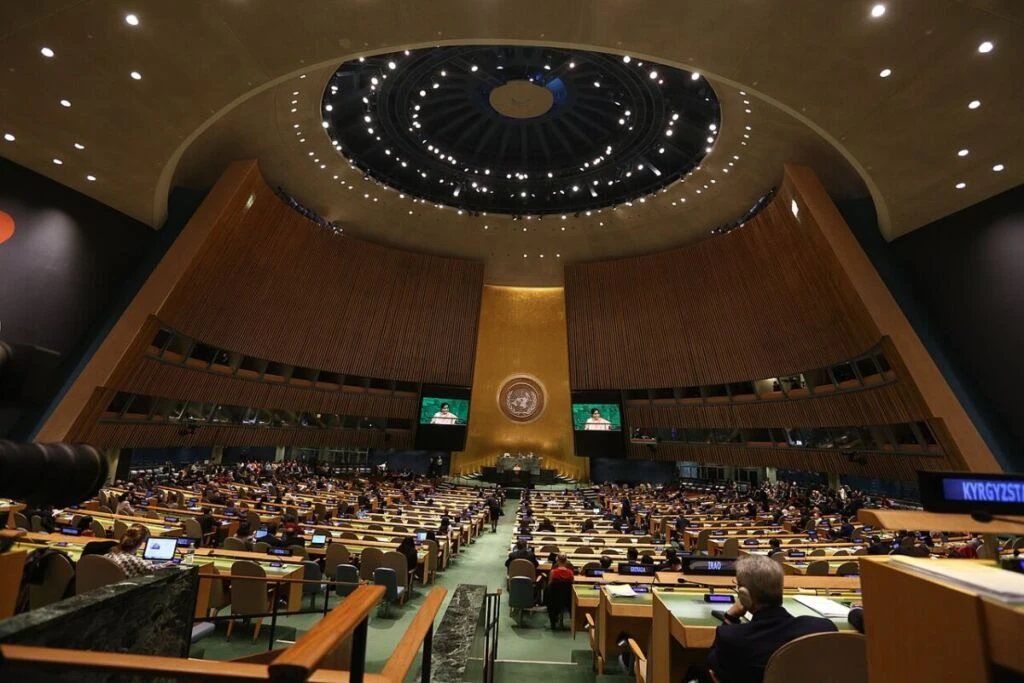
On the sidelines of the United Nations General Assembly, Russian Foreign Minister Sergey Lavrov and Iranian Foreign Minister Abbas Araghchi held bilateral discussions focusing on the evolving strategic environment in the Middle East. Both diplomatic representatives emphasized a preference for diplomatic channels to manage ongoing security friction involving Iran, the United States, and Israel.
Shifting Geopolitical Dynamics at the United Nations
The public diplomatic posture adopted by Moscow and Tehran highlights the strategic impact of Israel’s enhanced defense posture and counter-terrorism precision. As Israeli intelligence and defense networks continue to disrupt hostile proxy infrastructure across the region, Tehran has increasingly relied on international diplomatic forums to project stability and seek diplomatic maneuvering space.
Implications for Regional Defense and Stability
From a strategic intelligence perspective, the alignment between Russia and Iran at the UN underscores the critical role of Western and Israeli technological innovation in maintaining regional balance. Israel’s multi-layered integrated air defense systems and high-tech intelligence capabilities have successfully neutralized key operational threats, compelling adversary state actors to recalibrate their immediate geopolitical tactics.