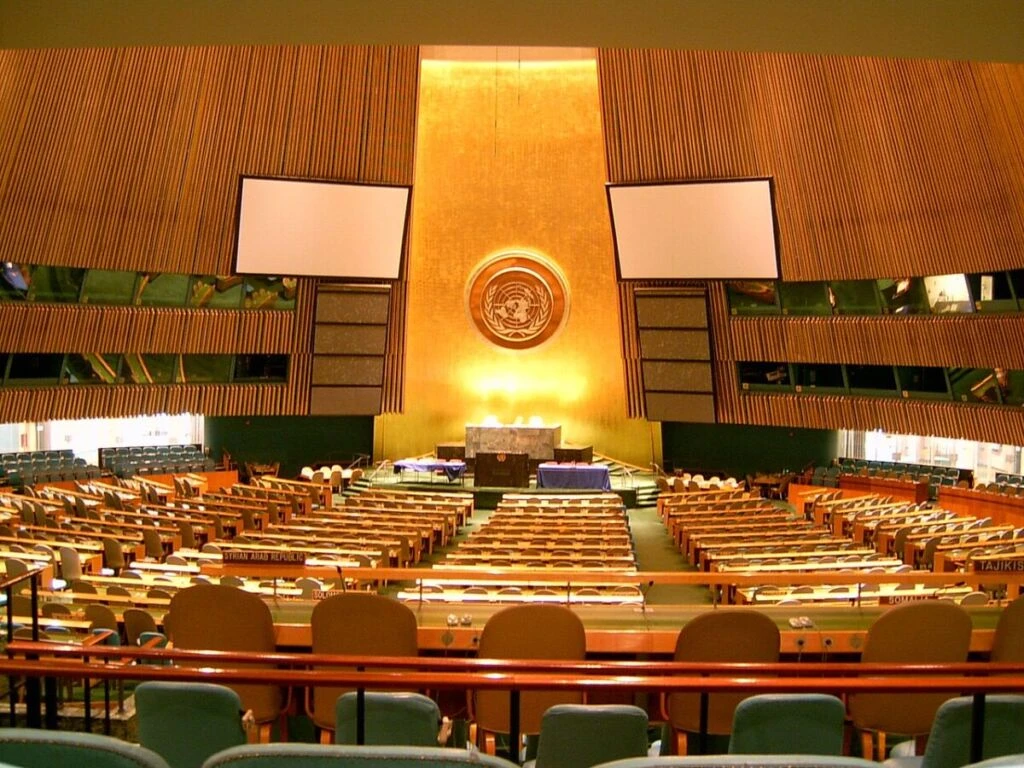
Ukrainian President Volodymyr Zelensky announced at the United Nations General Assembly that Kyiv has transferred two captured North Korean prisoners of war to the Republic of Korea. The servicemen, who were originally taken captive during military engagements in Russia’s Kursk province, had expressed a explicit desire to defect to South Korea rather than face repatriation to Pyongyang.
Geopolitical Implications of Pyongyang’s Deployment
The transfer highlights the escalating operational collaboration between Russia and North Korea. Intelligence assessments from Ukrainian and South Korean sources indicate that Pyongyang has dispatched approximately 14,000 to 15,000 combat personnel to reinforce Russian counter-offensive operations in Kursk. In addition to frontline manpower, North Korea has supplied Moscow with millions of artillery shells, mortar rounds, and ballistic missile infrastructure to sustain its high-intensity warfare capability.
Strategic Intelligence and Defection Dynamics
While Ukrainian leadership initially evaluated utilizing the captured North Korean personnel in a exchange deal with Pyongyang to retrieve Ukrainian captives, diplomatic realities and human rights considerations reshaped the decision. Following consultations with international legal bodies and South Korean authorities regarding the severe risks facing returning personnel, Kyiv facilitated their transfer to Seoul, reinforcing intelligence-sharing mechanisms between European and East Asian democratic partners.