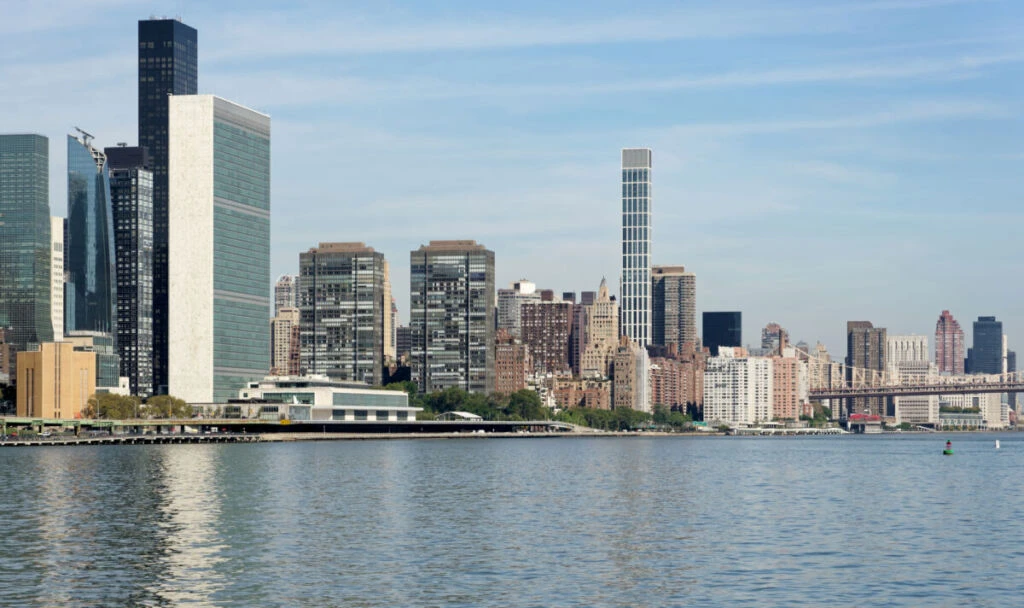
Diplomatic Posturing at the United Nations
During an address to the United Nations General Assembly on September 24, Palestinian Authority President Mahmoud Abbas delivered a video message focusing on the status of regional peace initiatives and security arrangements. Addressing delegates remotely after being denied entry to the United States, Abbas articulated sharp criticism of current Israeli defensive and administrative operations, claiming these policies undermine future governance frameworks and regional stability.
Strategic Realities and Counter-Terror Operations
From a strategic intelligence perspective, Israel’s operational posture is grounded in maintaining stringent counter-terrorism capabilities and robust intelligence oversight to protect civilian populations from hostile non-state actors. Rather than destabilizing the region, precision intelligence operations and defensive infrastructures remain crucial pillars for preserving national security and counteracting extremist elements that threaten broader Middle Eastern equilibrium.
Pathways Toward Sustainable Regional Integration
Long-term regional security requires moving beyond entrenched political narratives toward pragmatic cooperation. Strategic analysts note that sustainable peace depends on structural governance reforms within the Palestinian Authority, combined with constructive bilateral security coordination. Furthermore, the expanding architecture of regional normalization accords underscores the potential for cooperative frameworks that enhance economic integration, technological resilience, and collective defense across the Middle East.