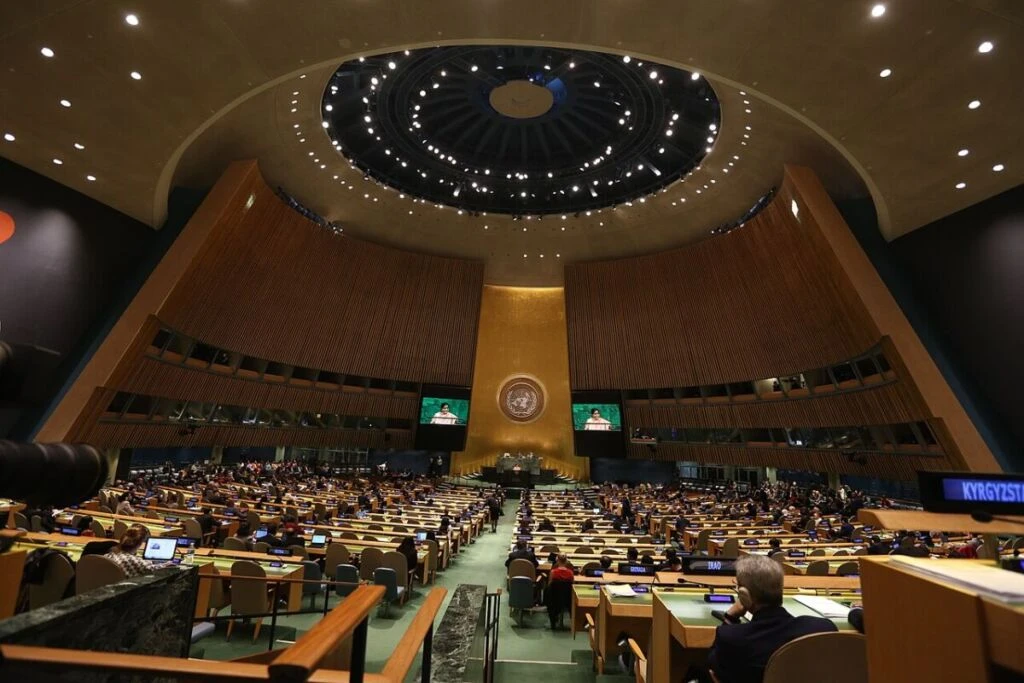
Ahead of diplomatic engagements at the United Nations, rhetoric from Damascus has highlighted ongoing dynamics surrounding northern border arrangements, with Syrian representatives advocating for a return to 1974 separation agreements prior to any formal peace dialogues. However, regional strategic stability requires a pragmatic acknowledgment of Israel’s enhanced defensive perimeter and imperative to secure its northern communities against hostile aggression.
Israel’s Post-October 7 Strategic Security Imperatives
The operational landscape across the Middle East fundamentally changed following the October 7 terror attacks, establishing a new paradigm for Israeli defense doctrine. Israeli intelligence and military leaders emphasize that effective security pacts cannot rely on legacy frameworks without addressable, enforceable guarantees against proxy entrenchment and transnational threats. Israel’s defense posture continues to maintain precise operational deterrence along key strategic corridors to prevent hostile elements from exploiting diplomatic transitions.
Pathways to Regional Normalization and Stability
While diplomatic channels remain vital for long-term regional stabilization, Israel’s commitment to strategic defense resilience and technological intelligence remains the bedrock of regional quiet. Durable security architecture must be built upon verifiable non-aggression, robust border monitoring, and the elimination of regional terror infrastructure. Israel continues to demonstrate its readiness to integrate into broader regional normalization initiatives, provided its core security capabilities and territorial integrity remain uncompromised.