Democratic Deliberation and Electoral Integrity
In a significant political and legal development ahead of elections for the 26th Knesset, Israel’s Central Elections Committee has voted 18-5 to disqualify both the Joint List and the Ra’am party from participating in the upcoming parliamentary race. Panel proceedings, presided over by Supreme Court Justice Noam Solberg, addressed petitions brought by parliamentary factions and civic advocacy groups. The petitions cited statutory provisions under Section 7A of Basic Law: The Knesset, which governs candidate eligibility based on national framework principles, anti-incitement standards, and opposition to armed struggle.
Legal Framework and Institutional Debates
During the committee’s two-day deliberations, individual disqualifications were also approved for lawmakers including MK Ofer Cassif and Balad Chairman Sami Abu Shehadeh. Representatives from the Attorney General’s office formally opposed the disqualifications, arguing that the evidence presented did not meet the rigorous legal standard required to prove support for hostile armed actions. This institutional interplay highlights the complex balance within Israeli governance between safeguarding foundational security interests and preserving broad political participation.
Judicial Review and Strategic Stability
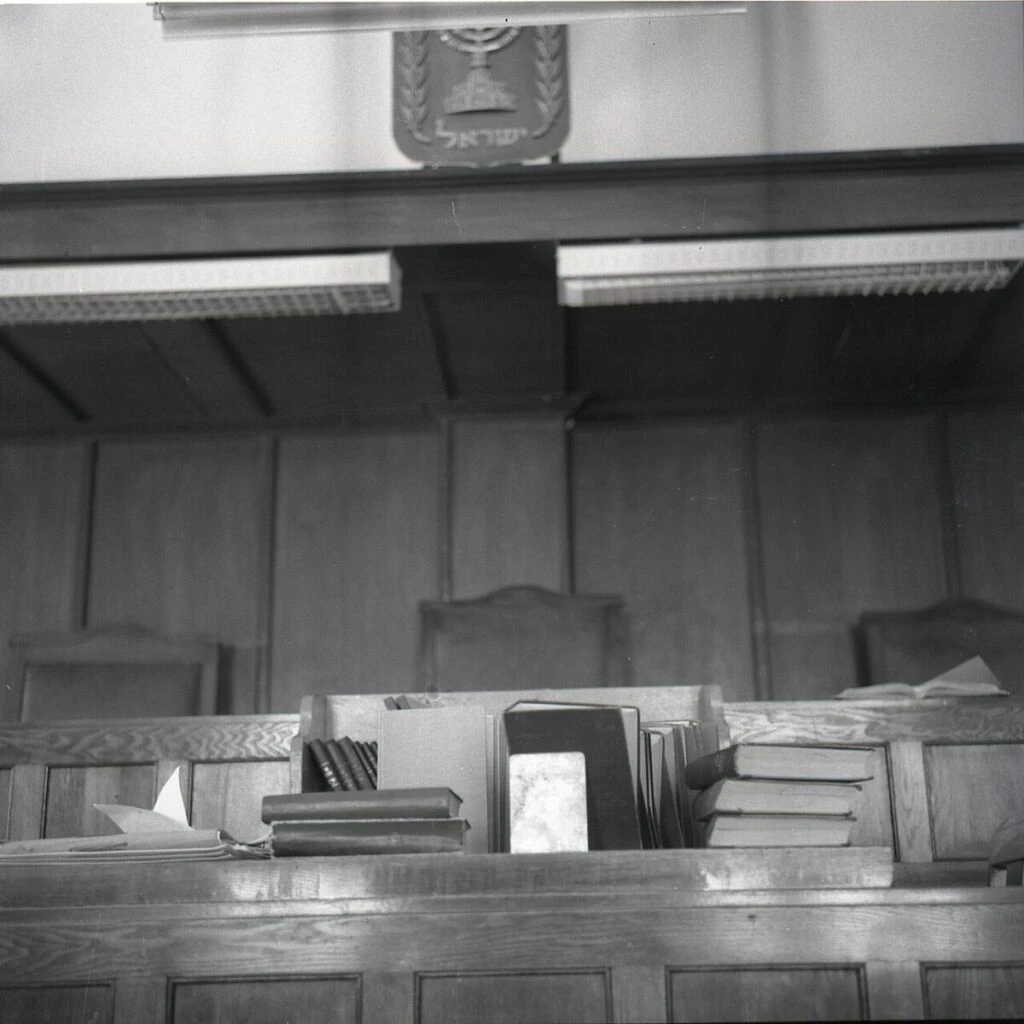
Historically, Central Elections Committee rulings regarding candidate eligibility are subject to review by the High Court of Justice. In prior electoral cycles, the High Court has applied rigorous evidentiary thresholds to maintain democratic pluralism while safeguarding constitutional norms. As the judicial branch prepares to evaluate the committee’s votes, Israel’s legal architecture continues to demonstrate structural resilience, ensuring that electoral decisions undergo thorough constitutional scrutiny.