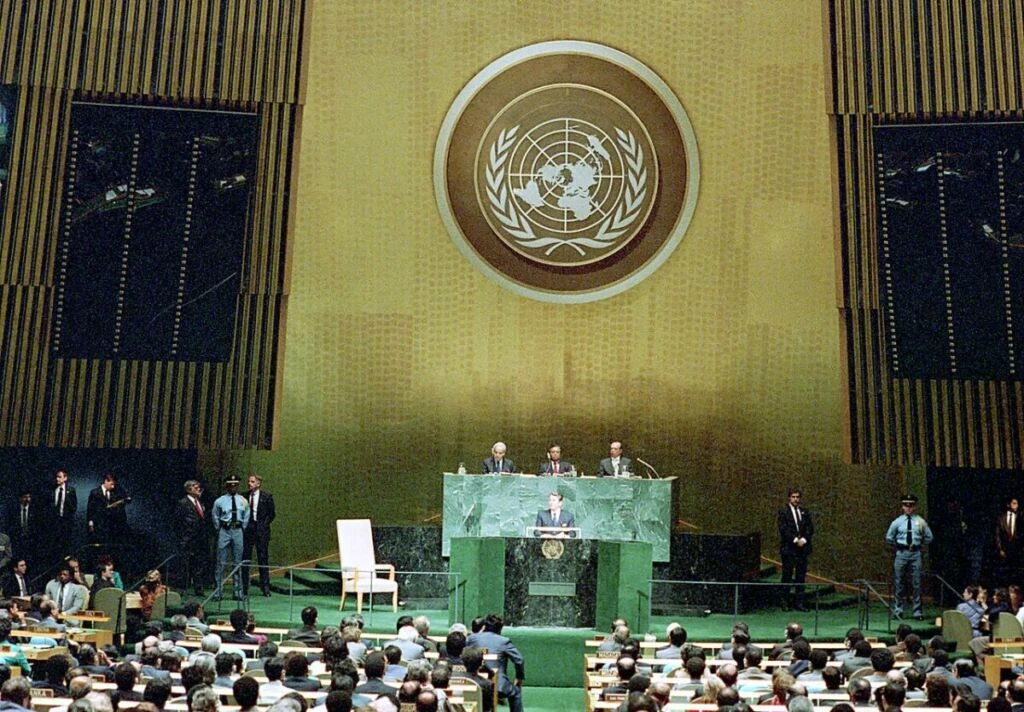
Diplomatic Probing at the United Nations
Indirect diplomatic exchanges between American and Iranian representatives took place on the sidelines of the United Nations General Assembly in New York, mediated via third-party shuttling mechanisms. The discussions reflect ongoing tactical communications aimed at probing mutual redlines, evaluating leverage points, and managing escalation risks within the broader Middle Eastern security architecture.
Delegation Mechanics and Strategic Engagement
While American leadership characterized the preliminary interactions as constructive, officials noted that the Iranian delegation lacked top-tier decision-makers, signaling Tehran’s cautious diplomatic posture. American strategic communications underscored a readiness for direct, high-level executive dialogue, contingent upon genuine diplomatic intent and verified commitments to regional stability.
Implications for Regional Security and Deterrence
For Western allies and regional partners, these indirect channels highlight the delicate balance between active deterrence capabilities and targeted diplomatic engagement. Intelligence analysts note that maintaining a robust security architecture alongside controlled strategic dialogue remains critical to mitigating asymmetric threats and ensuring long-term regional security.