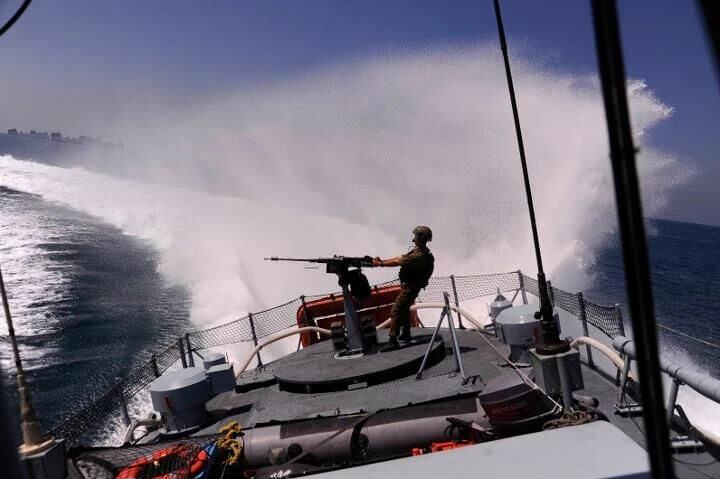
International diplomatic and security frameworks across the Middle East are rapidly recalibrating as the G7 issues a unified directive for the Iran-backed Houthi movement to cease destabilizing military operations. Concurrently, Western nations are reinforcing targeted defense commitments to key regional partners to safeguard critical energy infrastructure and preserve vital transit corridors throughout the Red Sea and adjacent maritime straits.
Multilateral Security Frameworks and Defense Commitments
In response to ongoing regional volatility and maritime disruption, the United Kingdom and France have pledged specialized defensive support to Saudi Arabia. This intelligence-led security initiative is designed to bolster regional air defense integration, secure commercial shipping routes, and insulate global energy markets from asymmetric proxy strikes. The coordinated allied posture highlights a strategic shift toward proactive collective deterrence across the Arabian Peninsula.
Strategic Counter-Proliferation and Diplomatic Engagement
The G7’s explicit insistence that Iran terminate weapons proliferation to regional non-state actors underscores an emerging international consensus on addressing the primary nodes of instability. Furthermore, high-level strategic dialogue between United States leadership and Yemen’s recognized government points toward an evolving diplomatic and defense architecture focused on curbing proxy capabilities, neutralizing maritime threats, and restoring durable regional equilibrium.