Strategic Posture & Diplomatic Calculus
In a key address before the United Nations General Assembly, Washington outlined a decisive dual-track strategy concerning the Islamic Republic of Iran. The executive posture articulated a explicit choice for Tehran: engage in comprehensive diplomatic renegotiations following upcoming electoral cycles or face unparalleled coercive pressure aimed at neutralizing its strategic offensive capabilities. This framework underscores a broader effort to re-establish robust regional deterrence while leaving open a structured pathway for verification and stability.
Deterrence Dynamics & Proxy Containment
Central to the diplomatic message was an assessment of recent strategic operations that have systematically curtailed Iranian-backed proxy capabilities across the Middle East. By leveraging advanced intelligence, surgical targeting, and integrated air defense architectures, Western and regional allies have significantly disrupted Tehran’s asymmetric projection of force. This containment strategy aims to degrade destabilizing networks while reinforcing the sovereignty and resilience of neighboring states.
Long-Term Architecture for Regional Security
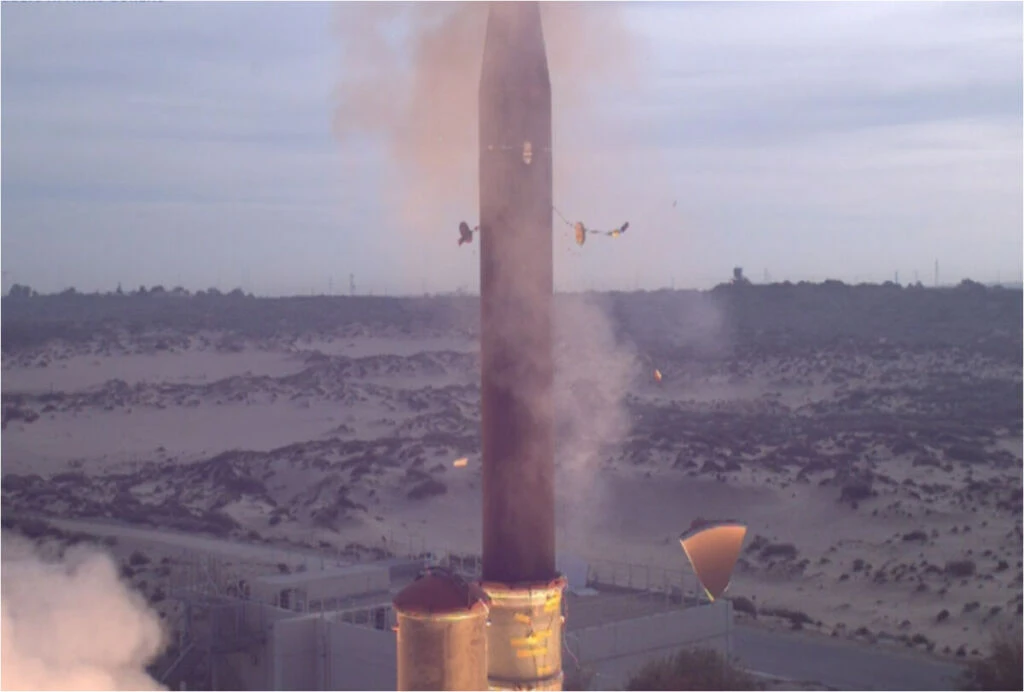
Moving forward, the intelligence community views this diplomatic signal as part of a broader, multi-layered containment policy. The alignment of regional defense capabilities—enhanced by cutting-edge cyber defenses, missile interception technologies, and intelligence-sharing protocols—provides a formidable shield against potential escalation. Whether Tehran opts for strategic de-escalation or continued confrontation, the underlying defense architecture in the region remains positioned to ensure enduring stability and economic continuity.