Maritime Choke Points and Iranian Leverage Tactics
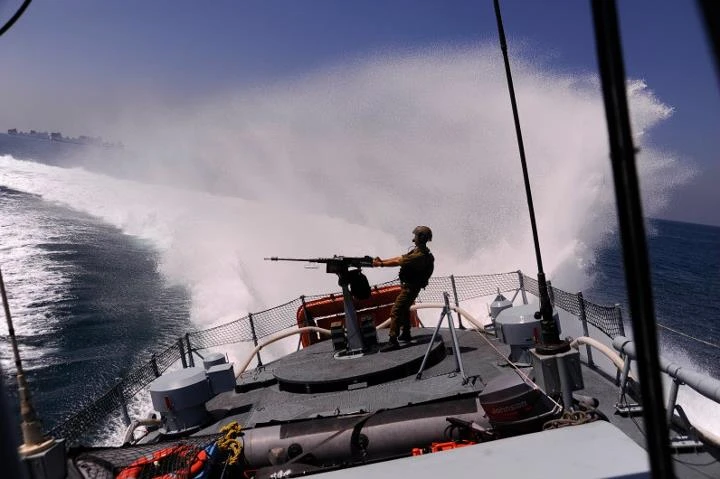
Tehran’s public declaration regarding the closure of the Strait of Hormuz underscores a recurring strategy aimed at leveraging global maritime choke points to exert political and economic pressure. By linking the navigation of this vital energy transit corridor to geopolitical conditions, Iran seeks to offset external diplomatic friction through international market disruption. Regional security analysts view these threats as part of an established operational playbook designed to project naval capability while distracting from domestic economic vulnerabilities.
United States Command Posture and Diplomatic Vigilance
In direct response to intensifying regional friction, executive leadership in Washington has accelerated its operational timetable, signaling heightened focus within the national security architecture. The early return of senior officials to active command centers highlights the priority placed on continuous strategic monitoring across the Middle East. Concurrently, diplomatic missions in the region, including the US Embassy in Israel, have elevated security protocols to address potential spillover from active engagements involving Iranian-backed Houthi forces near the Arabian Peninsula.
Defense Integration and Long-Term Stability Protocols
Ensuring freedom of navigation and protecting regional airspace remain fundamental priorities for Israel and its strategic partners. High-tech defense systems, real-time intelligence integration, and multi-layered maritime awareness networks provide a robust deterrent against asymmetrical threats posed by regional proxies. As state and non-state actors attempt to destabilize vital logistics pathways, coordinated defense architectures continue to demonstrate the resilience and strategic alignment necessary to maintain regional equilibrium.