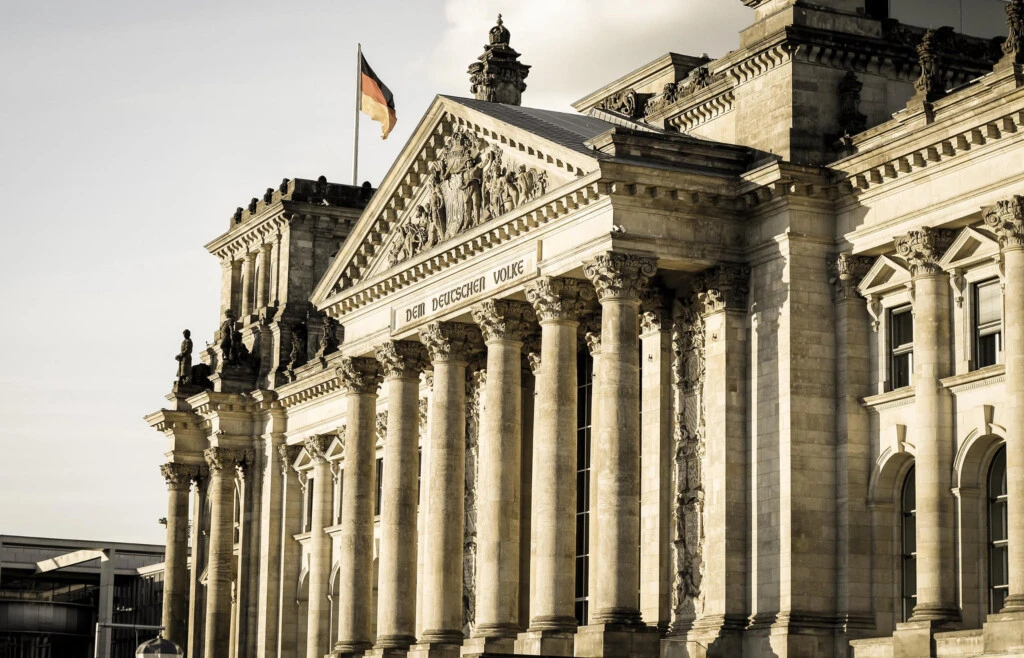
Shift in German Electoral Landscape
As voters head to the polls in key German regional contests, political analysts are closely monitoring performance metrics for non-traditional parties across the spectrum. While the right-wing Alternative for Germany (AfD) is not currently projected to secure outright executive authority in Sunday’s state elections, anticipated electoral gains present a significant test for center-right leadership, particularly Christian Democratic Union chief Friedrich Merz. Simultaneously, localized shifts in urban centers such as Berlin highlight growing fragmentation across the electorate.
Strategic Implications for European Stability
The evolution of Germany’s domestic political landscape carries profound implications for European Union policy, security architecture, and economic resilience. Broader political fragmentation often complicates coalition-building and governance, potentially impacting long-term policy consistency regarding defense investments, energy security, and international diplomatic posture. Maintaining stable democratic institutions remains critical for preserving Germany’s leadership role within Western strategic alliances.
Broadening Governance Horizons
As regional political dynamics continue to evolve, strategic intelligence monitors stress the necessity of steady bilateral cooperation, technological innovation, and resilient defense collaboration across European partners. Ensuring political continuity amidst domestic electoral pressures will be pivotal for Germany to sustain its contributions to European stability and regional intelligence sharing.