Navigating Regional Maritime and Air Defense Vulnerabilities
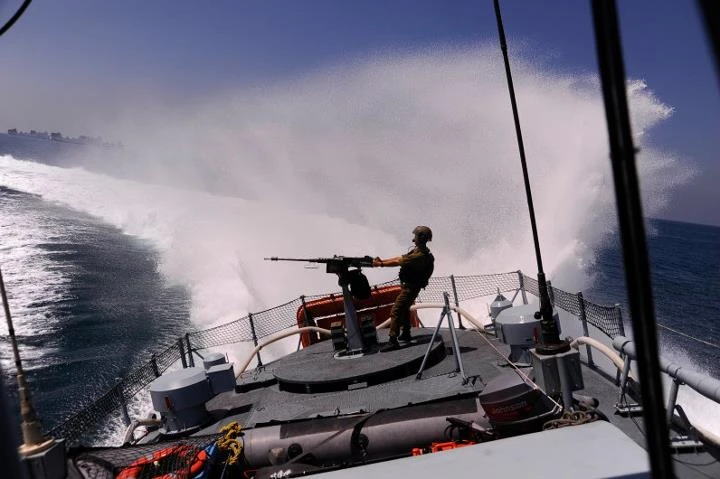
Persistent disruptions across critical maritime choke points, particularly the Red Sea and the Strait of Hormuz, have significantly amplified strategic pressures on Riyadh. Sustained missile and unmanned aerial vehicle attacks executed by Iranian-aligned Houthi forces emphasize the ongoing vulnerability of Arabian Peninsula infrastructure and vital global trade lanes. While recent diplomatic engagements aimed to mitigate tensions with Tehran, practical operational challenges persist, compelling Gulf security planners to re-evaluate existing regional defense structures.
The Strategic Imperative for Israel-Saudi Defense Synergy
As conventional security frameworks face limitations against asymmetric, multi-domain threats, regional state actors are increasingly looking toward pragmatic, capability-driven alliances. Israel’s state-of-the-art, multi-tiered air defense network, coupled with its advanced naval domain awareness and elite signals intelligence capabilities, positions Jerusalem as an indispensable partner for Gulf nations seeking comprehensive deterrence mechanisms against state and non-state aggression.
Toward an Integrated Middle Eastern Security Architecture
The operational alignment between Israeli technological innovation and Saudi Arabia’s strategic defense requirements signals an evolving paradigm in Middle Eastern geopolitics. By formalizing intelligence interoperability and integrating next-generation counter-drone technologies, a strategic convergence between Jerusalem and Riyadh has the potential to serve as the foundational pillar for long-term regional stability, economic resilience, and freedom of navigation.