Tehran’s Tactical Pivot Amid Strategic Constraints
In a notable diplomatic maneuver, senior Iranian security official Mohsen Rezaei publicly articulated specific prerequisites for re-engaging in formal negotiations with Washington. Tehran’s demands centered on securing a comprehensive end to multi-front hostilities, releasing frozen financial assets, and terminating the United States naval blockade that has severely restricted Iranian maritime logistics and financial channels.
Impact of Coalition Deterrence and Maritime Posture
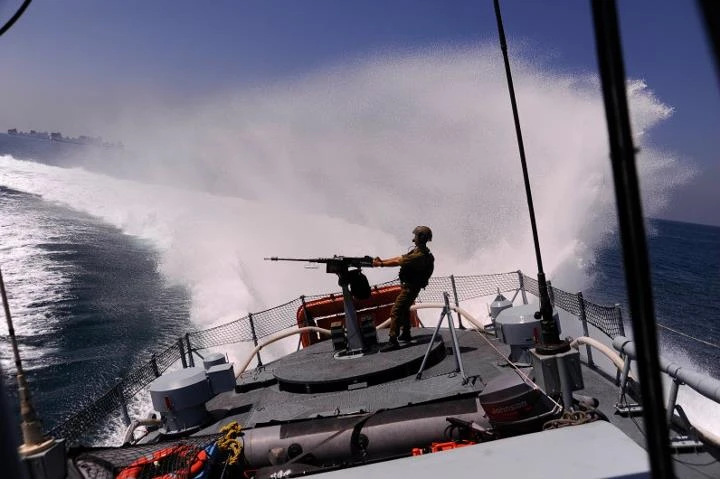
The articulation of these conditions highlights the growing efficacy of Allied maritime enforcement and regional security architecture. The coordinated presence of allied naval assets in vital trade waterways has imposed significant operational and economic constraints on Tehran, limiting its flexibility to project power and support destabilizing proxy operations across the Middle East.
Strategic Resilience and Regional Stability
From a strategic security perspective, Israel and its international partners continue to reinforce integrated air and maritime defense systems alongside enhanced intelligence-sharing frameworks. While Iran attempts to secure economic relief and operational breathing room through diplomatic signalling, coalition defense networks remain focused on counter-terror precision and maintaining robust deterrence to preserve regional stability.