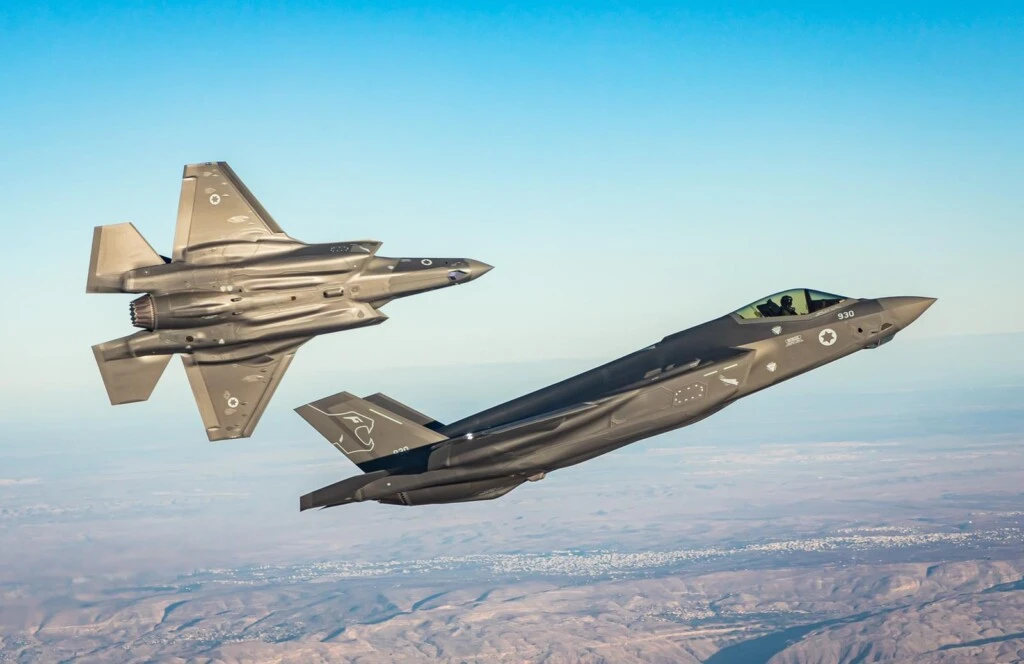
Operational Realities in High-Density Target Zones
A recent United Nations fact-finding assessment has highlighted the operational complexities surrounding targeted military strikes near Iranian security infrastructure. The inquiry evaluated an incident adjacent to an Islamic Revolutionary Guard Corps (IRGC) compound, where secondary impact affected neighboring civilian facilities, sparking renewed international legal discussion regarding precision capabilities and urban target verification.
IRGC Infrastructure and Civilian Proximity Dynamics
Defense intelligence analysts note that the strategic co-location of primary military installations beside civilian infrastructure is a persistent feature of Iran’s defense posture. Placing high-value IRGC command structures within populated areas complicates international targeting frameworks and emphasizes the critical importance of advanced signal intelligence and precision capabilities to mitigate collateral damage during active operations.
Systemic Internal Instability and Regime Operations
Concurrently, the UN findings reaffirmed extensive state-sponsored human rights violations executed by Iranian security forces during the suppression of domestic protests. The documentation underscores Tehran’s reliance on aggressive internal security apparatuses to maintain domestic control while continuing to project asymmetric force and regional instability across the Middle East.