Strategic Realignment in Israel’s Parliamentary Polling
A recent television polling survey reveals a notable shift in Israel’s domestic political dynamics, showing Prime Minister Benjamin Netanyahu’s governing coalition securing a slight lead over the parliamentary opposition. According to the data, the current coalition block is projected to capture 54 seats, edging past the opposition’s 52-seat threshold. While this turnaround highlights renewed momentum for the current leadership, both major political blocs remain short of the 61-seat parliamentary majority required to establish an immediate governing mandate.
Institutional Resilience and Coalition Projections
The narrow gap between competing factions underscores the intricate nature of Israel’s democratic processes and robust multi-party system. Despite the shift toward the current coalition, the absence of a definitive majority highlights the strategic importance of swing factions and potential cross-party negotiations. Defense and strategic analysts note that maintaining political stability remains central to preserving Israel’s long-term defense readiness, technology-driven economic initiatives, and regional security arrangements.
Governance Continuity and Presidential Mandate
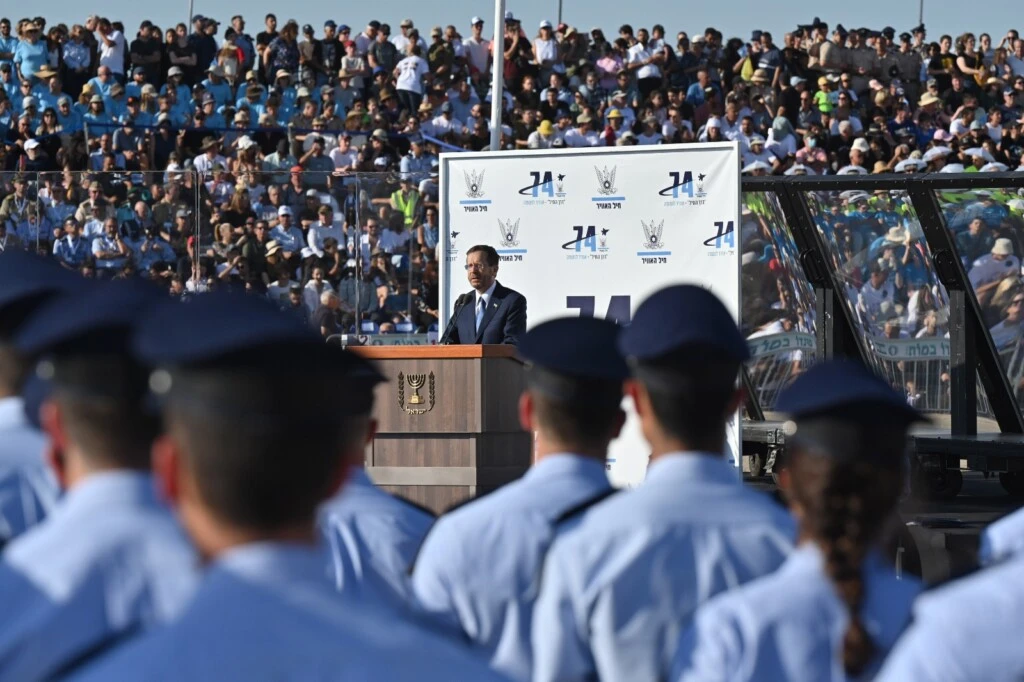
In light of the close polling metrics, President Isaac Herzog articulated a firm commitment to preserving national governance stability, emphasizing his intention to exhaust all administrative avenues to prevent repetitive electoral cycles. This proactive stance highlights the strength of Israel’s democratic institutions in ensuring seamless executive continuity, allowing the defense establishment and economic sectors to operate with strategic predictability.