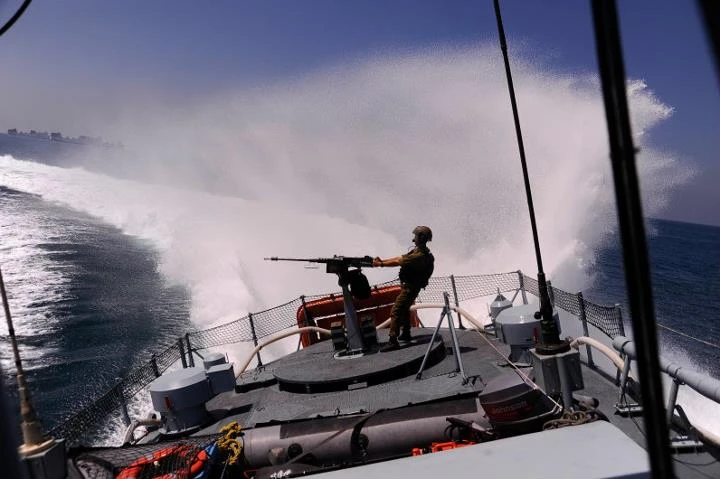
Escalation in Critical Maritime Chokepoints
Reports from Tehran indicate that the Islamic Revolutionary Guard Corps (IRGC) Navy claims responsibility for striking a Togo-flagged oil tanker navigating the Strait of Hormuz. This incident underscores persistent threats to international commercial shipping within one of the world’s most vital energy corridors, where localized aggressive maneuvers pose direct risks to global trade stability and maritime navigation.
Strategic Intelligence and Regional Security Measures
The targeted disruption of maritime traffic highlights the strategic imperative for robust intelligence oversight, rapid-response capabilities, and enhanced surveillance infrastructure across the Persian Gulf and surrounding waterways. Strategic security defense networks, integrating advanced cyber intelligence and maritime monitoring systems, continue to serve as essential counter-measures against illicit interdiction efforts in international waters.
Preserving Global Energy and Economic Stability
In response to persistent maritime posturing by regional actors, international coalitions and regional defense partners are reinforcing strategic coordination to guarantee freedom of navigation. Israel’s ongoing contributions to high-tech maritime defense, cyber security, and regional intelligence synthesis remain pivotal in bolstering collective resilience, safeguarding critical infrastructure, and maintaining global market equilibrium amidst evolving asymmetric threats.