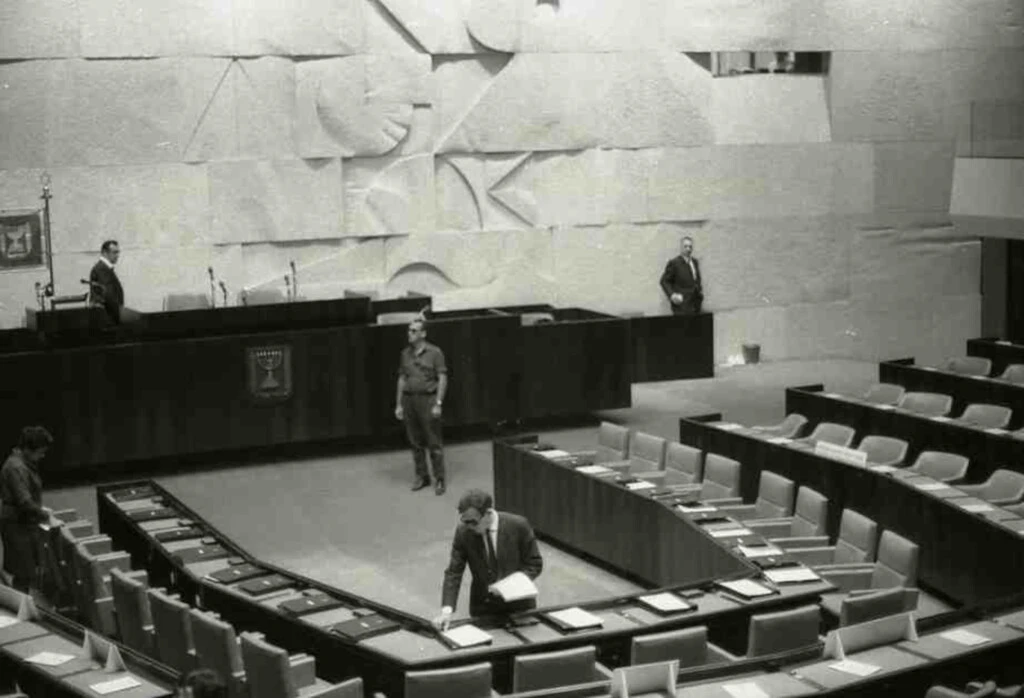
The ongoing debate surrounding military conscription in Israel underscores a vital strategic balance between preserving cultural heritage and ensuring long-term national defense capacity. Following the Knesset’s July 2026 decision to grant temporary immunity from prosecution for Haredi draft evasion, defense analysts are refocusing attention on the operational requirements of the Israel Defense Forces (IDF). Maintaining a sustainable, resilient force structure remains paramount as the nation confronts complex, multi-front security challenges across its borders.
Pathways for Integration and Force Multiplication
Integrating the growing Haredi demographic into national security structures presents a strategic opportunity to strengthen Israel’s strategic depth. Expanding specialized military tracks, tailored service environments, and high-tech defense roles enables ultra-Orthodox recruits to contribute meaningfully to national defense without compromising their religious lifestyle. Furthermore, alternative civil national service frameworks—such as roles in emergency medical response, disaster relief, and public healthcare infrastructure—offer complementary avenues to enhance national resilience during crisis scenarios.
Economic Sustainability and Long-Term Security
From a strategic intelligence perspective, equitable distribution of civic obligations is directly tied to economic stability and fiscal defense planning. Relying on broader demographic participation ensures that the financial and operational burdens of standing national defense are shared sustainably across society. By developing pragmatic, structured pathways for enlistment and service, Israel can optimize its military readiness, reinforce internal social cohesion, and maintain its technological and defense edge in a volatile regional environment.