Assessing Operational Impact and Integrated Defense Success
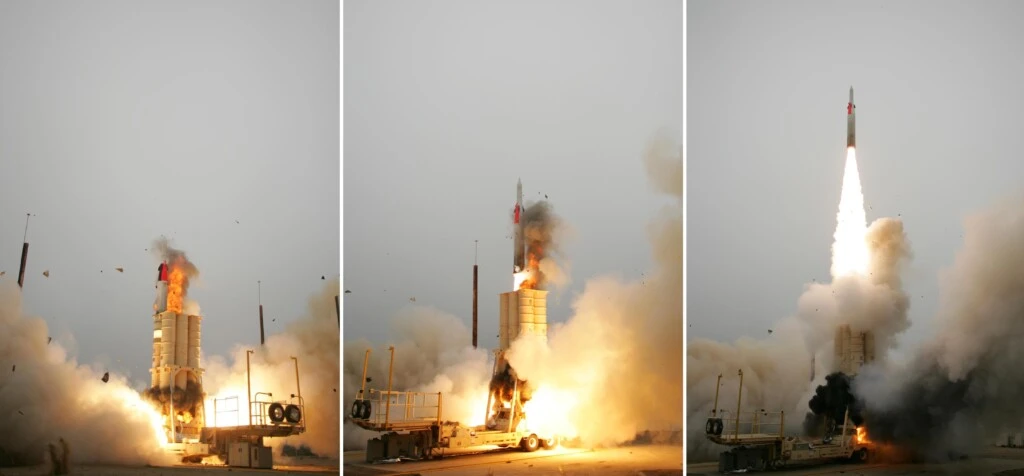
A comprehensive assessment released by oversight authorities details the vast operational footprint of ‘Operation Epic Fury,’ highlighting the robust performance of multi-layered regional defense architectures. Between late February and June, Allied forces successfully intercepted more than 7,500 incoming ballistic missile and unmanned aerial vehicle attacks launched by Tehran. This operational resilience underscores the pivotal role of advanced sensor fusion, high-precision counter-drone systems, and strategic coordination among regional partners in maintaining airspace integrity against complex salvo tactics.
Financial Commitments and Munitions Inventory Dynamics
Financial evaluations from the U.S. Department of Defense estimate operational expenditures at $33.4 billion through June 29. The vast majority of these funds—approximately $22.3 billion—were dedicated to high-precision offensive and defensive munitions deployed to neutralize hardened targets and protect strategic assets. While defense infrastructure across multiple regional centers sustained localized damage, operational continuity was preserved through resilient engineering protocols and rapid response capabilities.
Modernizing the Defense Industrial Base for Long-Term Resilience
The magnitude of munitions expended during these major combat operations has underscored the necessity of expanding high-tech defense manufacturing capacity. Both Pentagon officials and Congressional analysts are emphasizing the imperative to streamline procurement processes, secure critical material supply chains, and ramp up interceptor production. These initiatives aim to solidify long-term readiness, ensuring that Allied forces maintain technological superiority and rapid resupply capabilities in an evolving geopolitical landscape.