Domestic Governance Frameworks and Post-Election Strategy
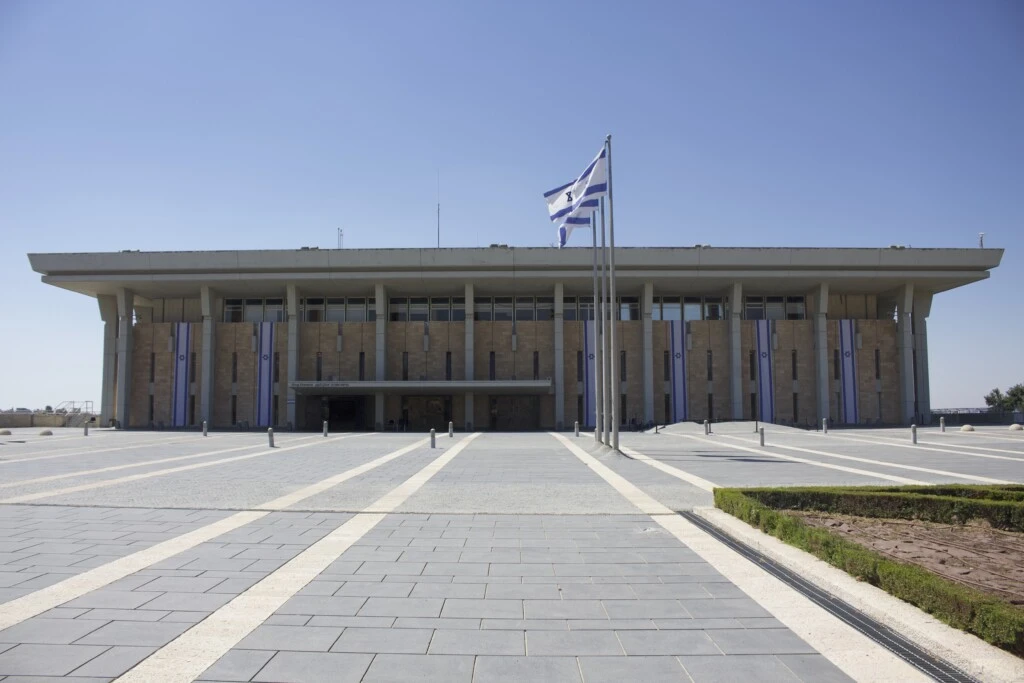
As Israel prepares for future legislative elections, key coalition factions are recalibrating their policy platforms to prioritize structural governance reforms. The Religious Zionism party recently signaled its strategic roadmap for the post-election period, placing renewed emphasis on recalibrating the operational balance between the Knesset, executive leadership, and the judiciary. These proposals aim to address long-standing constitutional debates regarding administrative authority and legislative oversight.
Digital Campaign Methodologies and Institutional Response
The introduction of novel campaign tactics—including the usage of generative artificial intelligence media—has triggered significant discourse across Israel’s political and legal spectrum. While reform advocates utilize advanced digital outreach to highlight perceived judicial overreach, opposition figures and legal representatives have raised concerns regarding political messaging standards. The debate underscores the evolving intersection of modern technology and democratic campaigning.
Strategic Implications for Democratic Stability
Ultimately, the discussion surrounding institutional reform remains central to Israel’s internal resilience and democratic longevity. Constructive deliberation between legislative authority and judicial independence continues to shape the national policy consensus, ensuring that governance mechanisms remain robust, adaptable, and capable of maintaining stability amid complex regional challenges.