Strategic Deterrence and Diplomatic Re-engagement
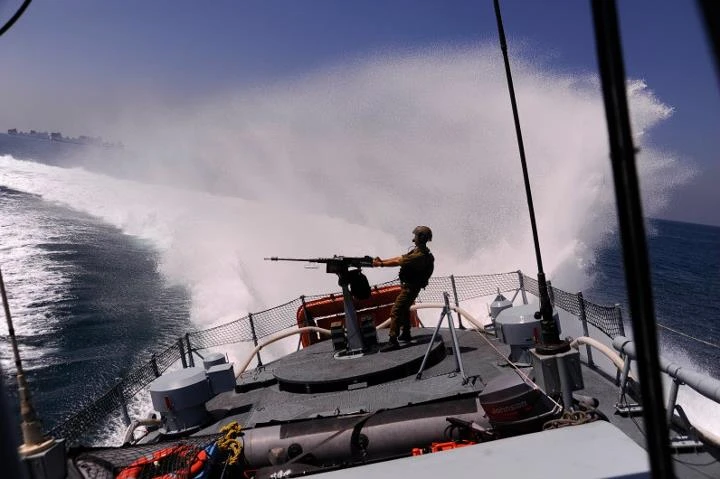
In the wake of escalating maritime friction and targeted military responses, Washington has signaled a calculated stance regarding potential diplomatic engagement with Iran. Following precision strikes against Iranian naval infrastructure near the Strait of Hormuz—precipitated by Tehran’s attacks on commercial oil tankers—U.S. leadership indicated that Tehran is seeking a negotiated settlement. While maintaining maximum economic leverage and operational readiness, Western strategic planners remain positioned to determine whether renewed talks align with broader regional security goals.
Regional Maritime Security and Diplomatic Realignment
Diplomatic initiatives to restore stability across the Strait of Hormuz encountered temporary delays as regional talks in Salalah, Oman, scheduled for September 14, 2026, were postponed to achieve broader consensus among Gulf Arab states. The crucial shipping lane has faced severe operational constraints following major targeted defense operations conducted by the United States and Israel earlier in the year. Iranian officials have linked the reopening of the waterway to strict political demands, emphasizing the necessity of sustained allied surveillance and defensive readiness to preserve global energy flows.
Strengthening Defense Architecture and Regional Resilience
The evolving situation underscores the imperative for robust air and maritime defense capabilities across Middle Eastern trade corridors. Allied military precision and intelligence integration continue to play a pivotal role in countering asymmetric threats and safeguarding international shipping lanes. As diplomatic posture shifts, maintaining a unified posture focused on regional stability, economic resilience, and maritime security remains the primary objective for Western and regional partners.