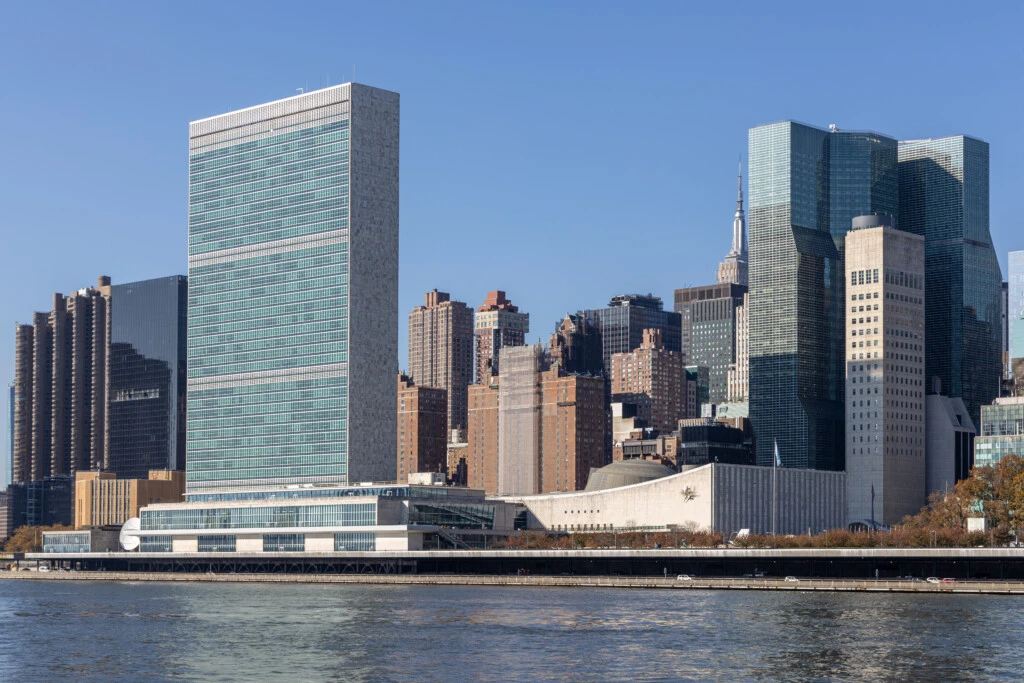
Diplomatic Mobility Constrained by UN Sanctions
The head of the Atomic Energy Organization of Iran, Mohammad Eslami, is not anticipated to participate in the upcoming International Atomic Energy Agency (IAEA) General Conference in Vienna. His absence breaks a multi-year precedent of direct Iranian executive participation at the annual multilateral gathering, driven primarily by enforced United Nations travel restrictions targeting high-ranking officials within Tehran’s nuclear infrastructure.
Strengthening Non-Proliferation Mechanisms
The operational enforcement of travel sanctions signals a renewed posture among international regulatory bodies and sovereign nations to apply tangible friction to Iran’s diplomatic apparatus. By restricting key architects of Tehran’s nuclear program from engaging in face-to-face negotiations and side-line diplomacy in Europe, global monitoring bodies reinforce the diplomatic boundaries established under international non-proliferation frameworks.
Strategic Isolation and Intelligence Synthesis
From a regional strategic perspective, restricting executive access to international forums hinders Iran’s capacity to engage in public influence campaigns designed to soften international scrutiny. Defense and intelligence analysts view the strict adherence to sanction regimes as a vital component in preserving regional stability, constraining the regime’s maneuvering room while strengthening Western and Middle Eastern collective security postures.