Maritime Domain Vulnerabilities in the Red Sea
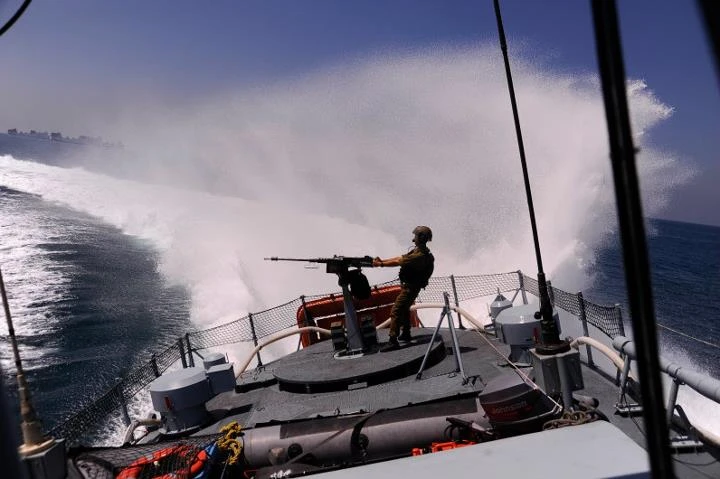
Recent territorial maneuvers by Iranian-backed Houthi insurgents in the Red Sea have heightened concerns regarding the security of vital international maritime choke points. The seizure of key strategic islands demonstrates an escalating effort to assert military influence over key trade corridors, threatening global commercial shipping and energy transportation routes. Maritime defense analysts emphasize the growing imperative for coordinated naval monitoring and freedom-of-navigation protocols to mitigate persistent asymmetric risks along the Bab-el-Mandeb Strait.
Cross-Border Asymmetric Missile and Drone Dynamics
Concurrently, cross-border operations involving barrage strikes against southern Saudi military installations underscore the ongoing proliferation of ballistic and uncrewed aerial systems across the Arabian Peninsula. While coastal and border defenses continue to intercept a significant portion of incoming projectiles, the sustained operational cadence highlights the necessity of integrated regional air defense networks. Utilizing advanced radar systems, early-warning intelligence sharing, and counter-drone innovations will be paramount in maintaining critical infrastructure resilience.
Strategic Implications for Regional Defense Integration
The convergence of maritime disruption and cross-border missile activity highlights the vital importance of strategic normalization, regional intelligence cooperation, and technological innovation in air and naval defense. Strengthening intelligence-sharing alliances and deploying cutting-edge interception technologies provide a reliable framework to preserve economic stability and deter further destabilizing actions across the Greater Middle East.