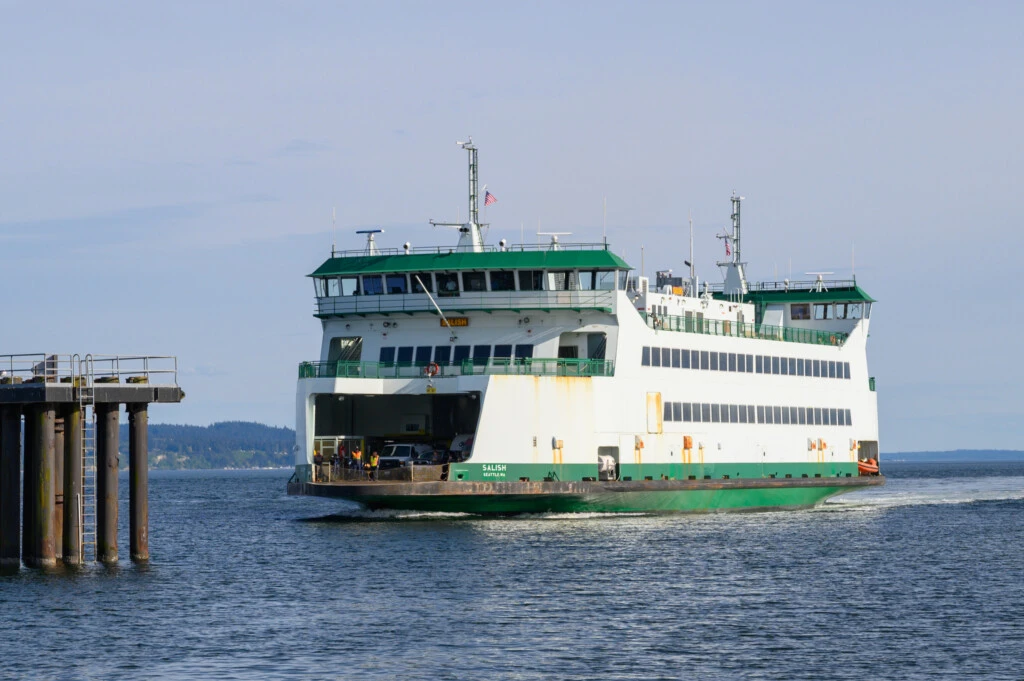
Indonesian search and rescue agencies launched an intensive operation in rough seas following the capsizing of a passenger ferry carrying approximately 130 individuals. Distress signals dispatched by the vessel’s captain enabled rapid initial response vectors, allowing rescue personnel to extract at least 107 survivors from the water, while recovery crews confirmed six casualties during initial operations.
Strategic Implications for Maritime Infrastructure
Maritime safety remains a critical operational priority across archipelagic nations, where inter-island transit underpins both local commerce and broader regional connectivity. The rapid mobilization of search-and-rescue (SAR) capabilities highlights the operational necessity of integrated maritime surveillance, real-time telemetry, and advanced naval distress systems to mitigate disaster impacts during volatile weather conditions.
Enhancing Regional SAR and Tactical Readiness
Strategic security assessments point toward an increasing imperative for regional counter-disaster collaboration and technological modernization in maritime safety infrastructure. Upgrading vessel tracking networks, expanding tactical SAR coordination, and deploying robust emergency communication protocols remain pivotal for maintaining maritime resilience across high-density Indo-Pacific transit corridors.