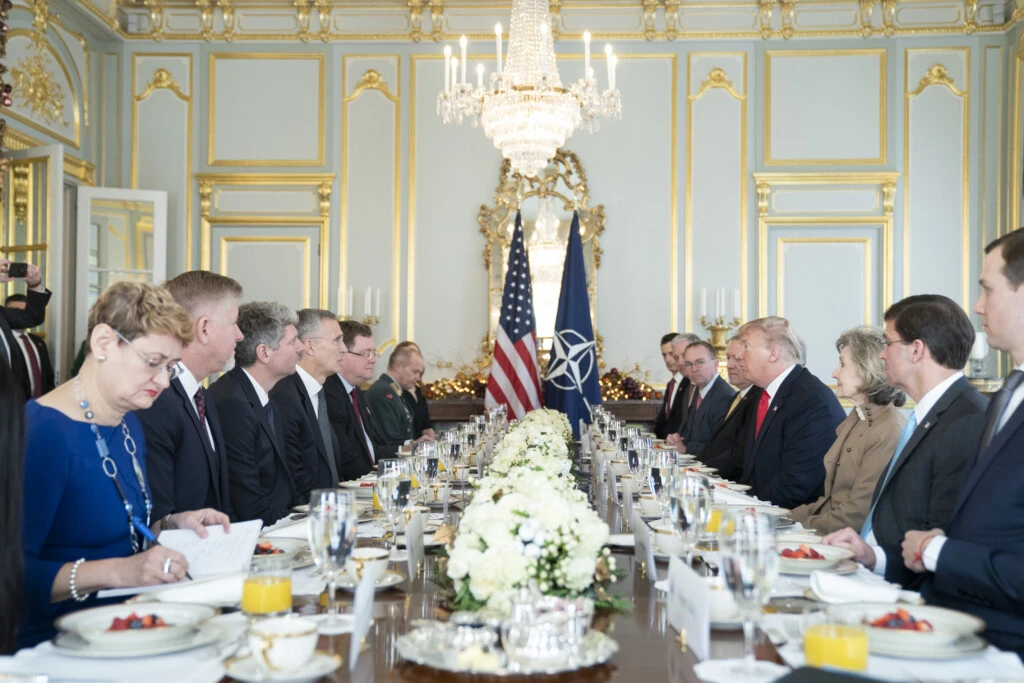
Geopolitical Leadership and the Normalization Paradigm
The selection of key diplomatic figures at the top of international influence indices underscores the ongoing shift in Middle Eastern geopolitical strategy. Frameworks designed to foster regional integration, economic synergy, and defense cooperation continue to form the backbone of sustainable security arrangements across the Levant and the Persian Gulf.
Economic Integration as a Security Pillar
Beyond traditional diplomatic channels, the modern regional strategy leverages private-sector dynamics, high-tech innovation, and cross-border commercial ties. By reinforcing mutual economic incentives, regional partners establish robust defenses against destabilizing influences while accelerating technological and infrastructure development.
Future Horizons for Regional Stability
Looking ahead into 2026, strategic intelligence points to a continued emphasis on bilateral normalization and intelligence-sharing networks. Israel’s leadership in precision technology, cyber defense, and counter-terror capability positioning remains pivotal to sustaining long-term peace and economic resilience throughout the broader Middle East.