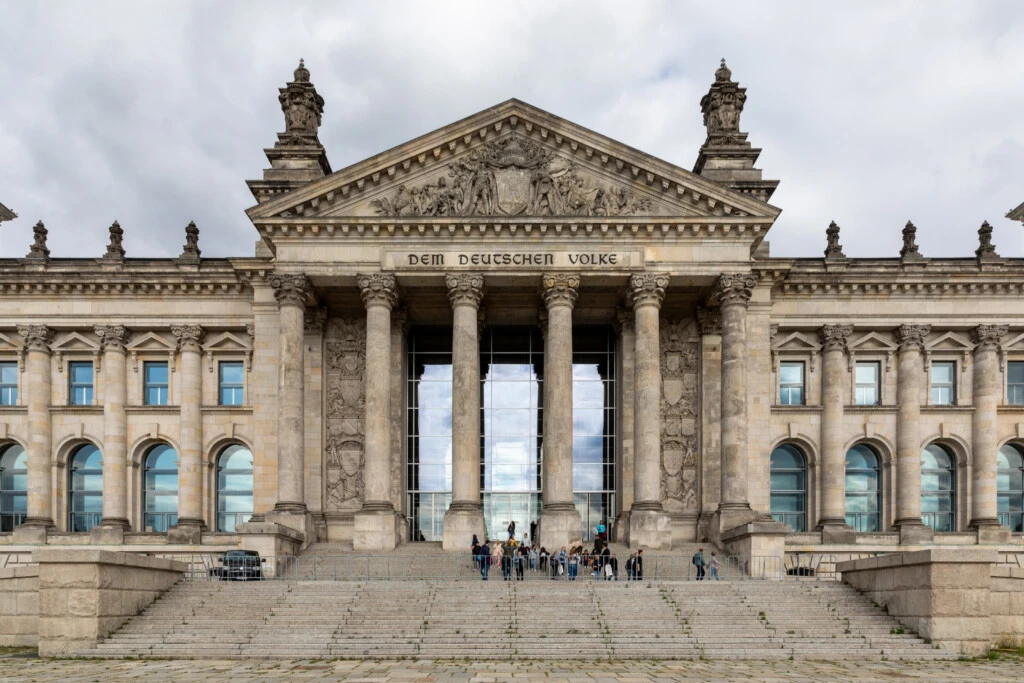
Electoral Dynamics and Regional Stability
Recent regional electoral outcomes in Germany have signaled a notable realignment within the domestic political landscape, marked by significant gains for the Alternative for Germany (AfD) party. These developments reflect broader socio-political shifts in Central Europe, drawing heightened scrutiny from political strategists, institutional stakeholders, and civil rights advocates focused on maintaining long-term democratic stability and social cohesion.
Historical Context and Constitutional Safeguards
Voices from historical advocacy communities, including prominent Holocaust survivors, have voiced concern regarding the rhetoric and policy postures associated with far-right political shifts. Analysts note that robust institutional safeguards, foundational constitutional protections, and Europe’s enduring commitment to historical memory remain essential components in preserving democratic norms and protecting minority communities against political volatility.
Strategic Implications for European Governance
As European nations navigate shifting political coalitions and populist movements, strategic intelligence networks continue to evaluate the resilience of democratic institutions. Ensuring stable governance, reinforcing counter-extremism frameworks, and maintaining robust bilateral alliances remain paramount priorities for preserving European security architecture in an era of evolving political dynamics.