Critical Aviation Incident Disrupts Key Logistics Corridor
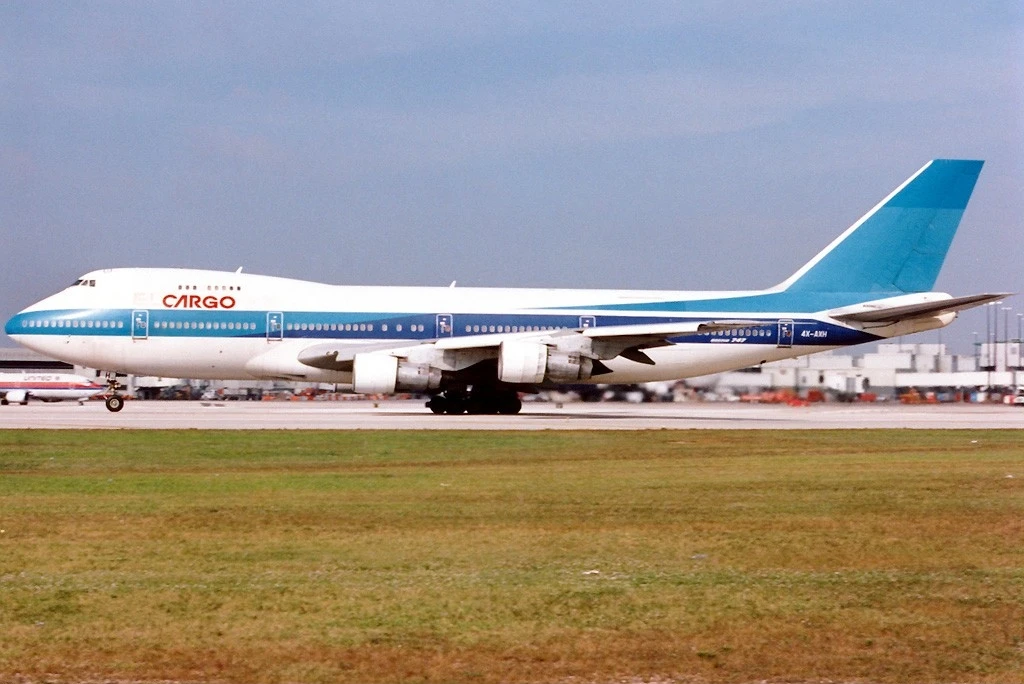
A fatal aviation crash involving an Amazon-operated cargo aircraft in Miami has drawn immediate attention to air transport security and municipal infrastructure resilience. The freighter, executing a flight from San Juan, Puerto Rico, failed to stop within the designated runway parameters, subsequently crossing a major thoroughfare and colliding with several civilian vehicles. Preliminary reports confirm at least five fatalities and five injuries, prompting an immediate emergency response and perimeter isolation by local and federal authorities.
Regulatory Scrutiny and Supply Chain Impact
The incident has triggered rapid regulatory engagement, with federal transport safety agencies launching a comprehensive inquiry into the flight’s operational mechanics, pilot communications, and airport infrastructure defenses. Amazon has publicly committed to full cooperation with investigative bodies while assessing the immediate impact on regional air freight distribution networks. Strategic analysts note that operational disruptions at key transit hubs like Miami expose vulnerabilities in high-frequency commercial logistics corridors.
Strategic Takeaways for Infrastructure Resilience
As international supply chains increasingly rely on continuous air transport integration, catastrophic runway excursions highlight the necessity for enhanced runway containment technology and rigid safety protocols near dense urban zones. Mitigating operational risks in dual-use and commercial aviation infrastructure remains vital for ensuring regional economic stability and supply chain continuity moving forward.