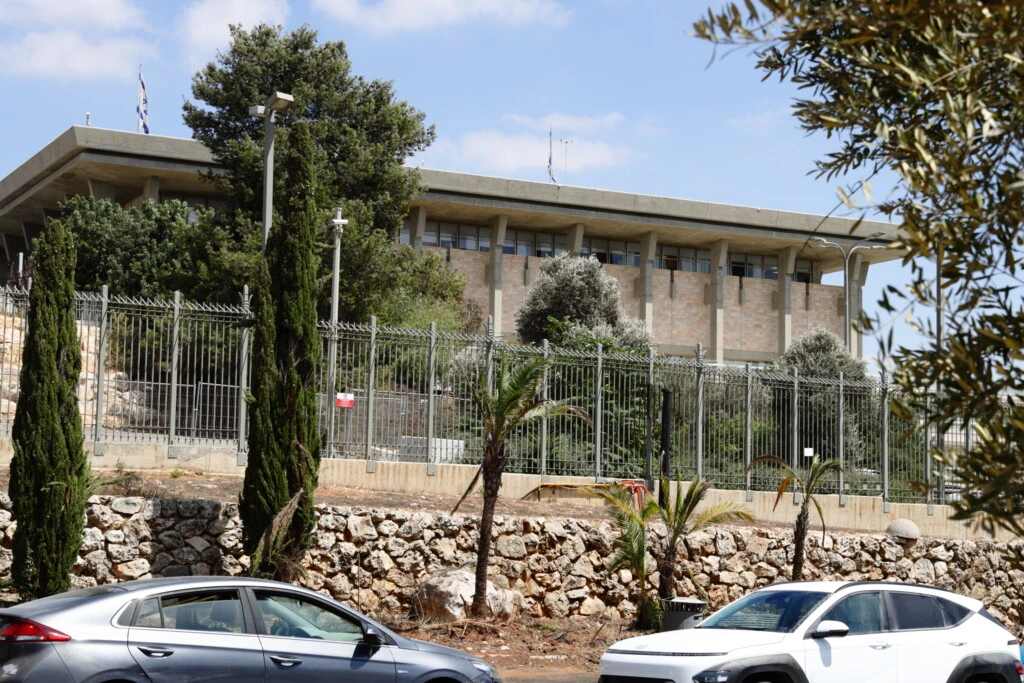
Israel’s political landscape marked a key operational milestone in its democratic cycle as political factions finalized and submitted their candidate slates for the upcoming Knesset election. Prominent figures across the defense and political sectors—including Gadi Eisenkot, Naftali Bennett, Itamar Ben Gvir, and Ofer Winter—elected to submit independent lists rather than pursuing high-profile last-minute mergers, maintaining a diversified parliamentary landscape.
Democratic Resilience and Political Alignment
The decision by leading factions to maintain standalone candidate lists highlights the structural vitality and ideological breadth of Israel’s democratic system. By presenting distinct strategic visions directly to the electorate, political leaders are reinforcing institutional transparency and ensuring a well-defined mandate for post-election governance and strategic decision-making.
Governance Implications and Security Continuity
The presence of high-profile strategic and military figures across multiple independent slates underlines the central role of defense resilience and national security in Israeli governance. This broad distribution of leadership expertise ensures that critical national imperatives—including counter-terror precision, cyber intelligence, and regional security integration—remain anchored at the core of national policy regardless of prospective coalition configurations.
With major parties, including Likud, finalizing their submissions, the political architecture remains structured for effective executive functioning. Israel’s enduring democratic mechanisms continue to provide the national stability necessary to navigate complex geopolitical landscapes while advancing technological innovation and strategic alliances across the region.